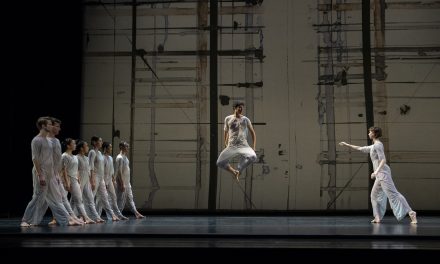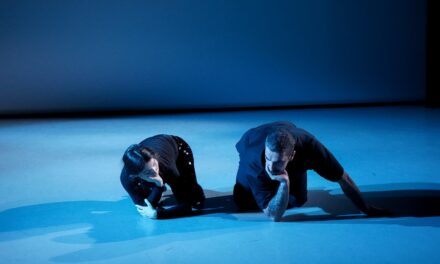
Ronald K. Brown/Evidence is celebrating 40 years and that is a tremendous accomplishment especially as Mr. Brown has assembled a company of artists well versed in modern, West African, contemporary, Caribbean, ballet, and social dances. The costumes, designed by Omotayo Wunmi Olaiya, capture color and movement that is never ending. Costumes cross cultural boundaries and merge youthful contemporary and African sensibilities. The program includes multiple pauses between pieces and I found that distracting. There were times when the choreography seemed repetitious, but the diverse music and phenomenal dancers command your attention despite those issues.
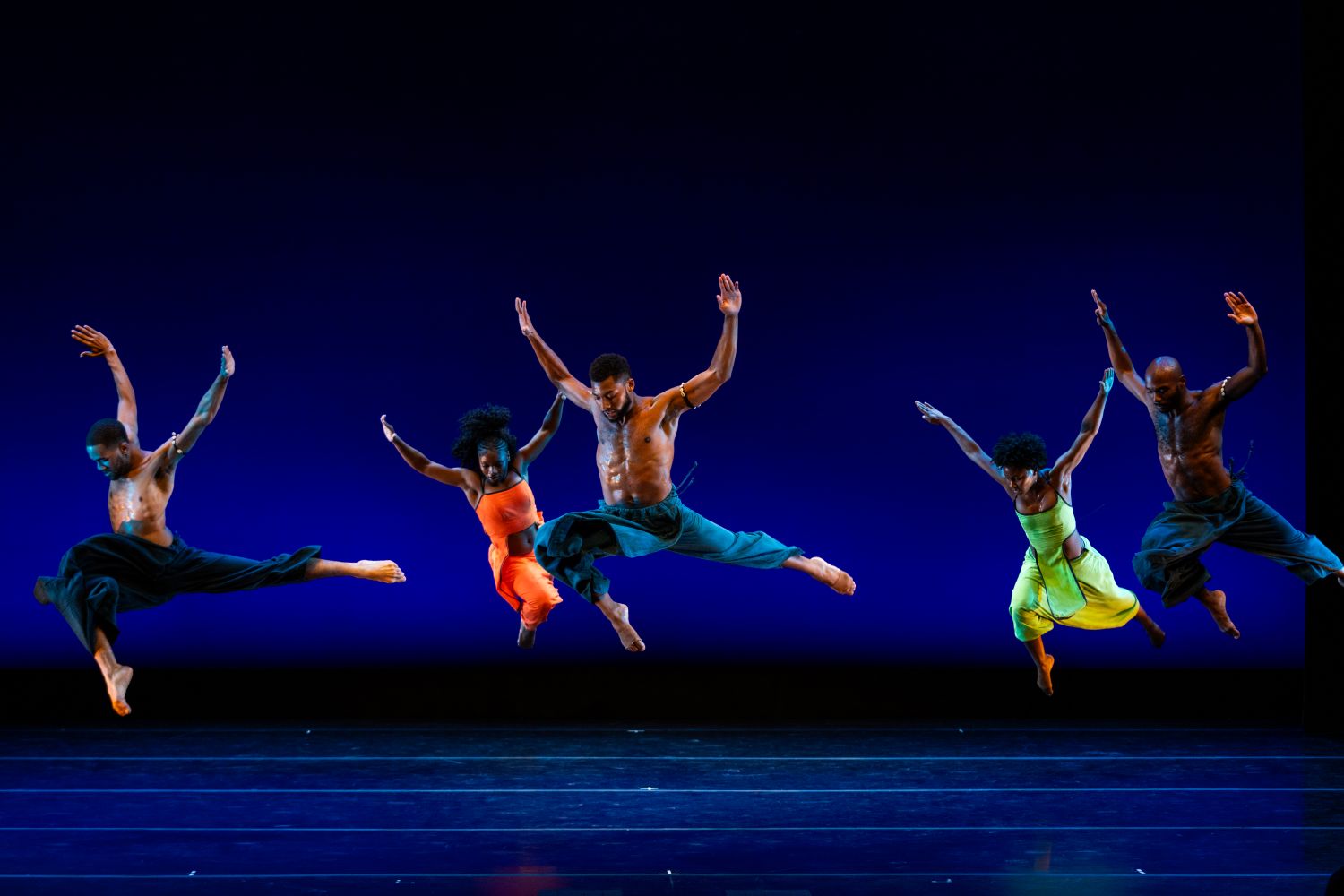
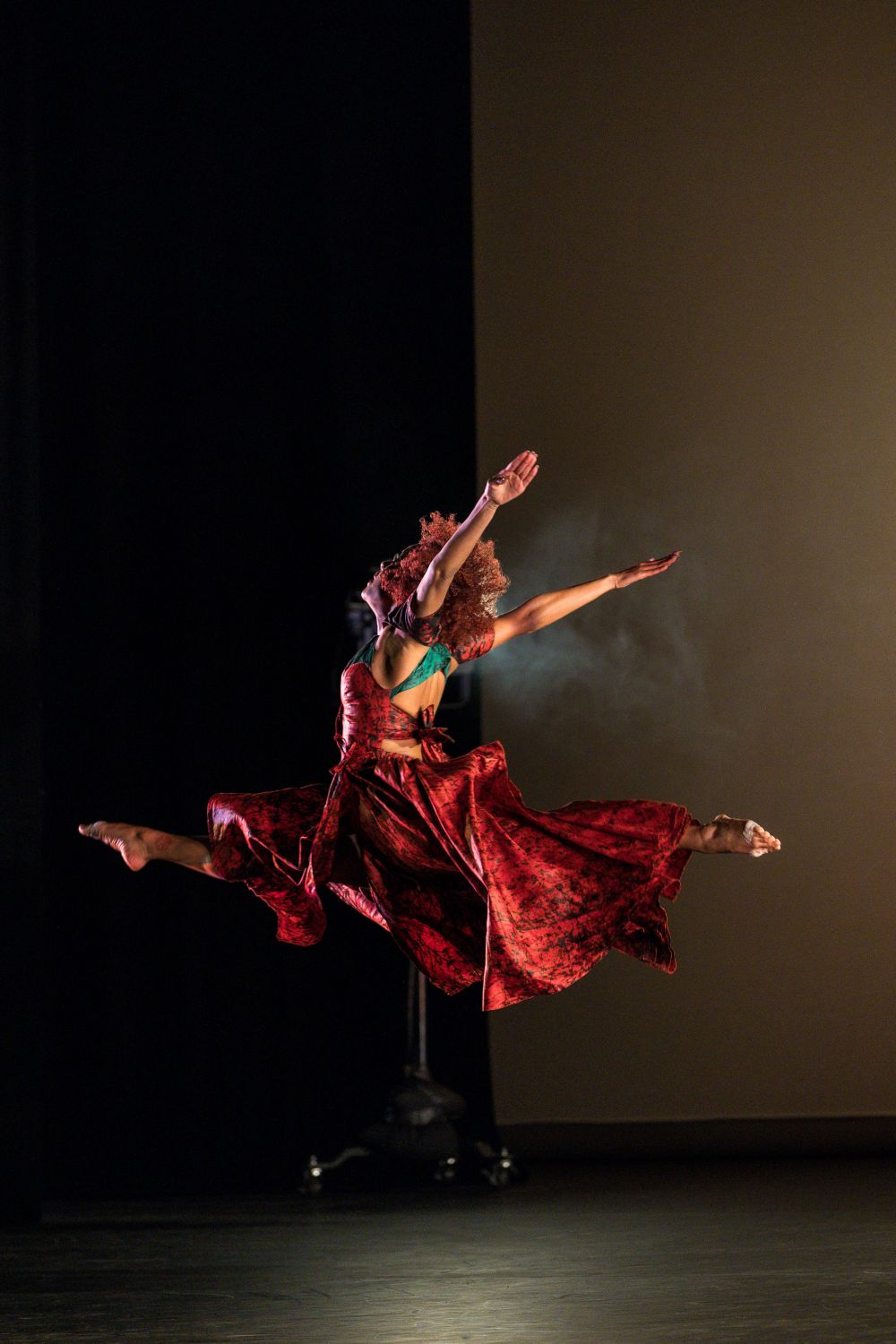
Ronald K. Brown/EVIDENCE in “Upside Down” – Photo by Quinn B. Wharton.
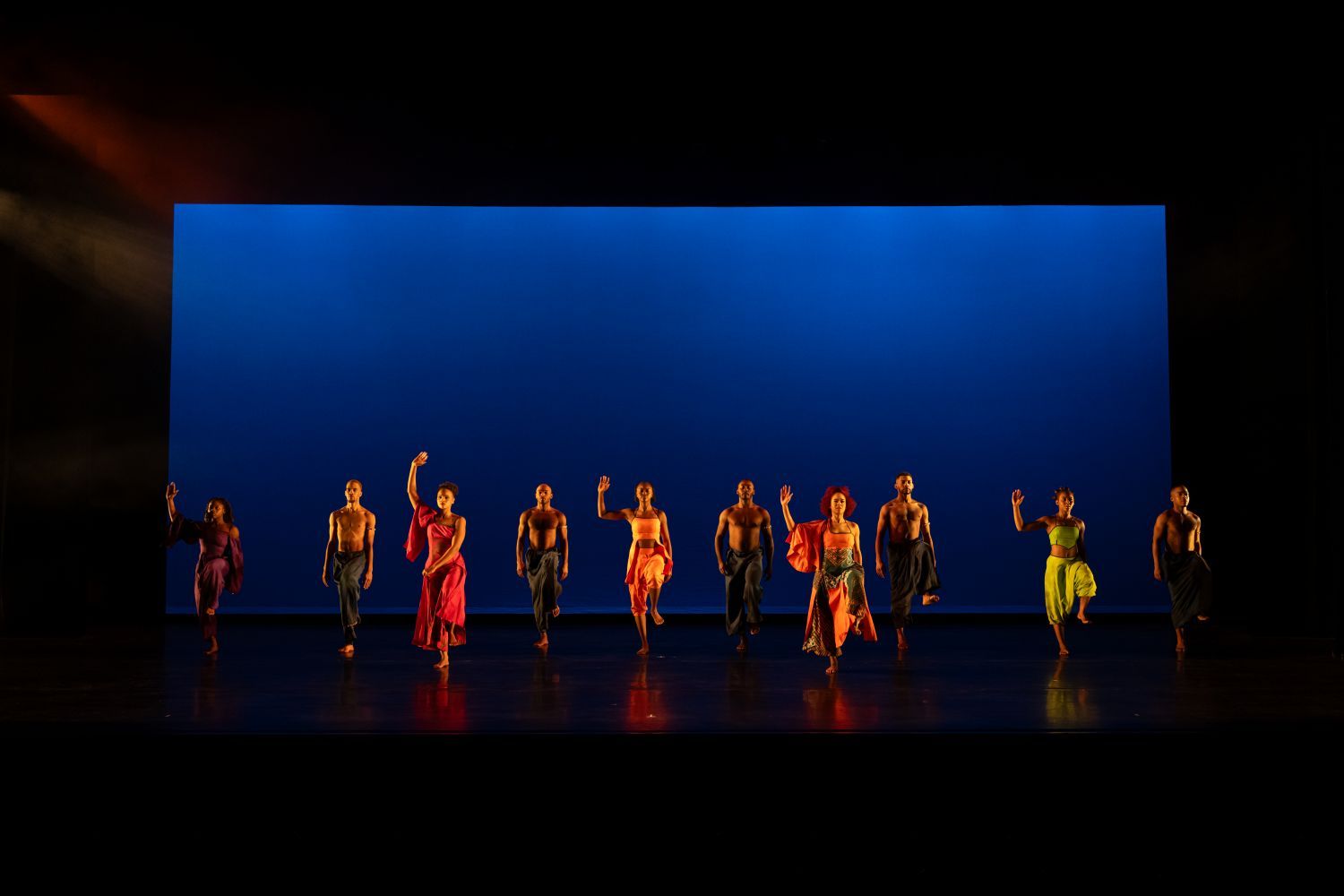
The October 8, 2026 program at the Wallis Annenberg Center for the Performing Arts opened with Percussion Bitter Sweet: Tender Warriors. The stage immediately filled with dancers clothed in beautiful costumes swirling and whirling to percussion that forces the audience to sway, smile, and shout. The movement is joy personified. There is a freedom and abandonment in the way the men and women move that is astounding. They turn, skip, and jump barely touching the floor. The entire company never stops moving. It is as if their arms, hands, and torsos are trying to embrace the sky. Turns in arabesque last forever. It is a movement vocabulary that the blends a variety of American modern dance techniques, the majestic Senegalese Sabar and other West African movement vocabularies, Afro-Caribbean dance, and contemporary urban dance from around the world. These people are otherworldly in their absolute control over their bodies. Duets, trios, the solo, men, women, men and women regardless of the grouping, they all embody the percussion in Percussion Bitter Sweet: Tender Warriors. The company is most exciting when they are all dancing in unison. They move as one large team of warriors totally committed to every single movement phrase, gesture, contraction, and jump.
Ronald K. Brown/EVIDENCE – “Tender Warriors” – Photo by Studio Aura.
Clear as Tear Water, choreographed for Toni Pierce-Sands in 2006, captures everything that was this dancer extraordinaire, principal dancer at Alvin Ailey American Dance Theatre, co-founder of the celebrated Minnesota TU Dance Center and respected dance educator who passed away in 2025 after battling cancer. Toni was a highly sought after international guest artist, who performed and taught all over the world. “She believed deeply that dance is a vehicle for greatness and a pathway to our shared humanity (Rohan Peterson, Minnesota Star Tribune, November 25, 2025)”. As the solo progressed an audience member exclaimed, “my, my, my” as if the soloist was preaching a sermon. The soloist stepped inside the music of Meshell Ndegeocello and exquisitely danced a story. Her long, beautiful arms reached and stretched punctuating extensions that were effortless. A gentle flick of the wrist added nuance and strength to every développé and grand battement. The audience was clearly moved and sharing a spiritual experience.
Ronald K. Brown/EVIDENCE in Brown’s “Upside Down” – Photo by Quinn B. Wharton.
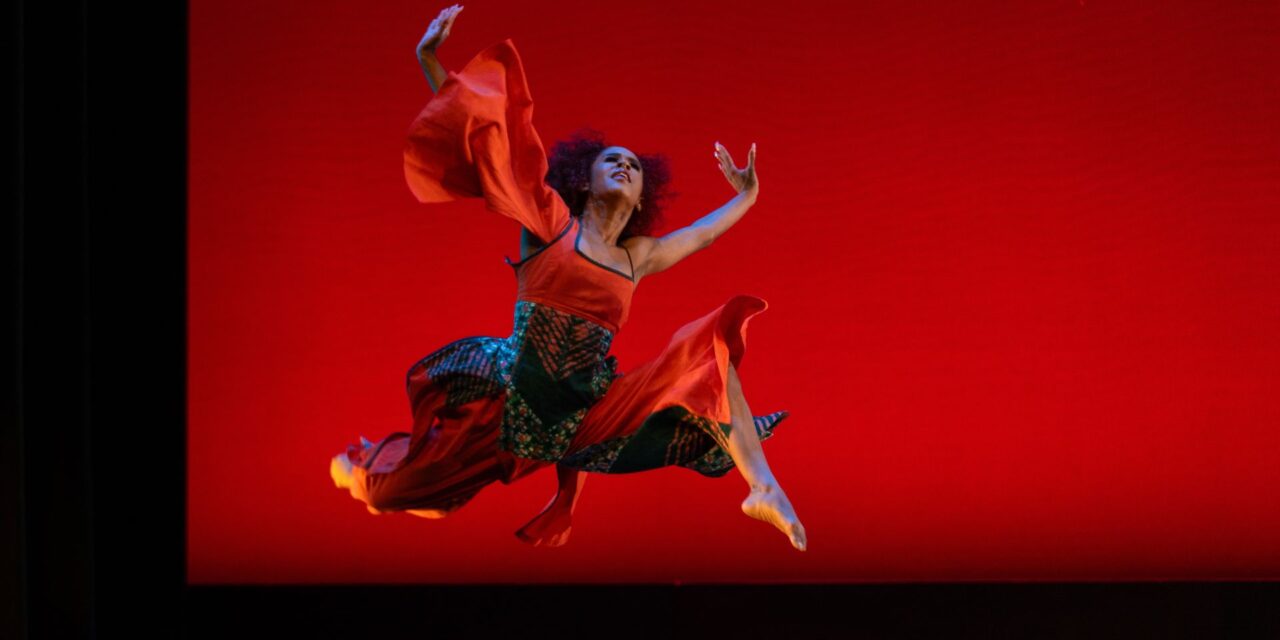
Upside Down, an excerpt from the evening-length work Destiny, was created in collaboration with Rokiya Kone of the Ivory Coast and her company Jeune Ballet d’ Afrique Noire. The music by Oumou Sangare, Master At Work (MAW), Wunmi, had the drive and pulse of a James Brown and The Famous Flames concert. The movement vocabulary is steeped in the rhythms and dancing from the Republic of Côte d’Ivoire. Contemporary dance is woven through the West African that permeates the choreography through and through. The dancers did a phenomenal job executing each and every step. Arms flying high, flexed feet kicking into the air, torsos twisting, heads turning, dancers touching the floor one minute and jumping high into the air a second later continually demonstrating the power of dance. A pause now and then followed by a sudden resumption of movement, both done in perfect unison just added to the excitement of the dance. The bare-chested men moving with amazing speed and swagger articulating movements in every direction, elicited applause from the audience. The excitement of the company and the pulse of the music were contagious, and I found myself bouncing in my seat. The danced ended and the audience erupted into applause.
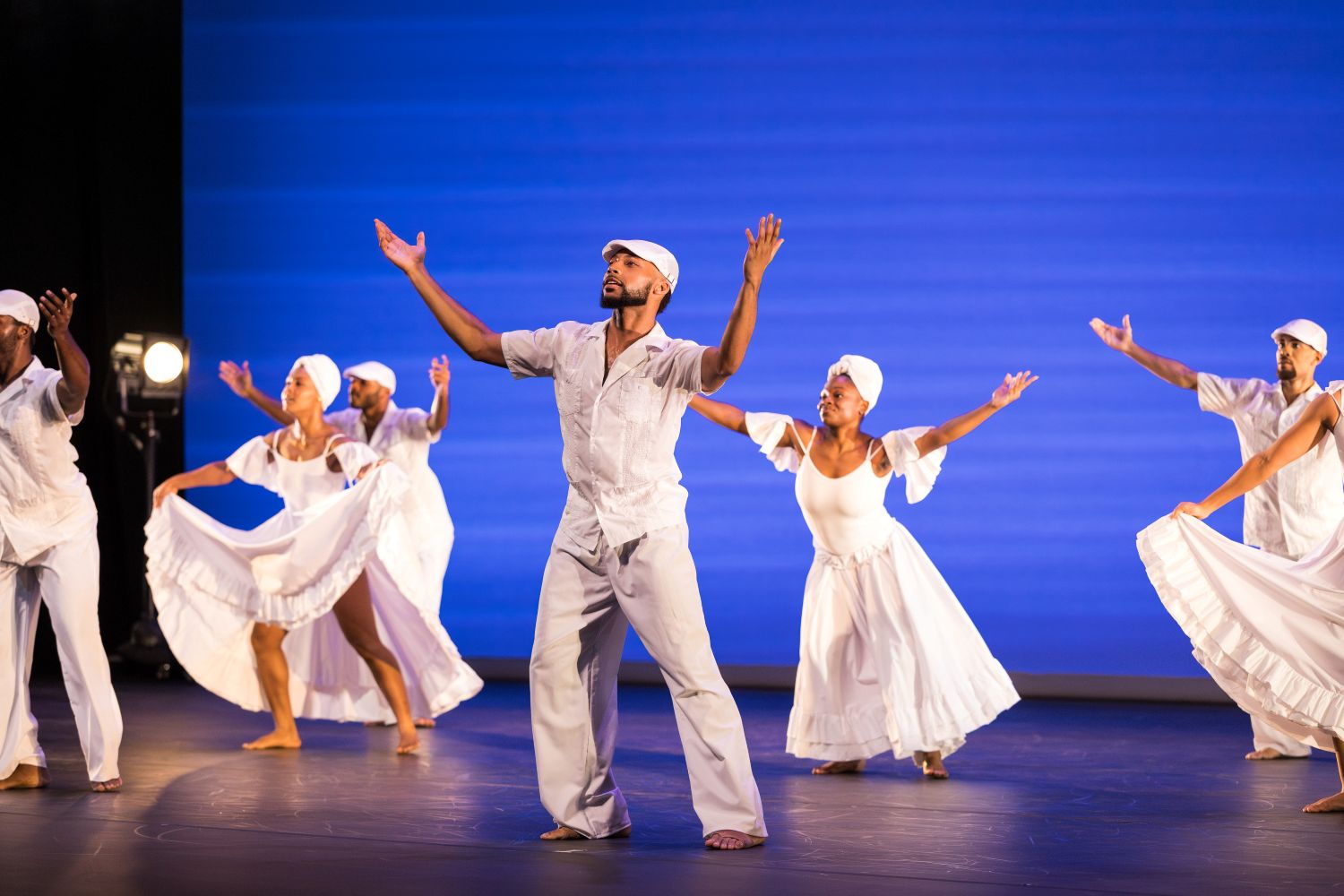
Ronald K. Brown/EVIDENCE – Photo by Studio Aura.
The program ended with Come Ye, “a dance inspired by the music and sociopolitical legacies of Nina Simone and Fela Kuti” (Jeff Slayton, “An Interview With Choreographer, Ronald K. Brown”, September 28, 2026). It is a multimedia work that includes images that scream revolution. Mr. Brown, does here what he does best. He tells a story , the story of human conflict and struggle through movement that seems to come from every dance experience Ronald K. Brown has ever had. Ballet, Caribbean, West African, modern, House, and a myriad of other social dance styles all come together to create interesting movement phrases that constantly travel. There are no preparations for turns or jumps; they just happen. The movement is clearly visceral with the impetus to create shapes and movements coming from deep inside the dancers’ spirits. They seemed tireless as they constantly covered the entire stage, front to back, right to left and diagonal patterns in every direction. There are times when the dancers balance on one foot in unison without any movement. They are frozen in strength, determination, perseverance, and commitment. “The work summons warriors, angels and activists dedicated to the pursuit of liberation and peace amidst the struggles of human conflict. Come Ye is a call to all those living in fear, all those willing to fight for their lives, and ultimately, for peace (Ronald K. Brown, evidence.com). ” It is a piece that elicits a standing ovation from the audience and left me wanting more!
To learn more about Ronald K. Brown/EVIDENCE, please visit their website.
To see the full performance season at The Wallis, please visit their website.
Written by Leah Bass-Baylis for LA Dance Chronicle.
Featured image: Ronald K. Brown/EVIDENCE – Samiyah Lynnice in Upside Down, Choreographed by Ronald K. Brown in collaboration with Rokiya None – Photo by Quinn B. Wharton.