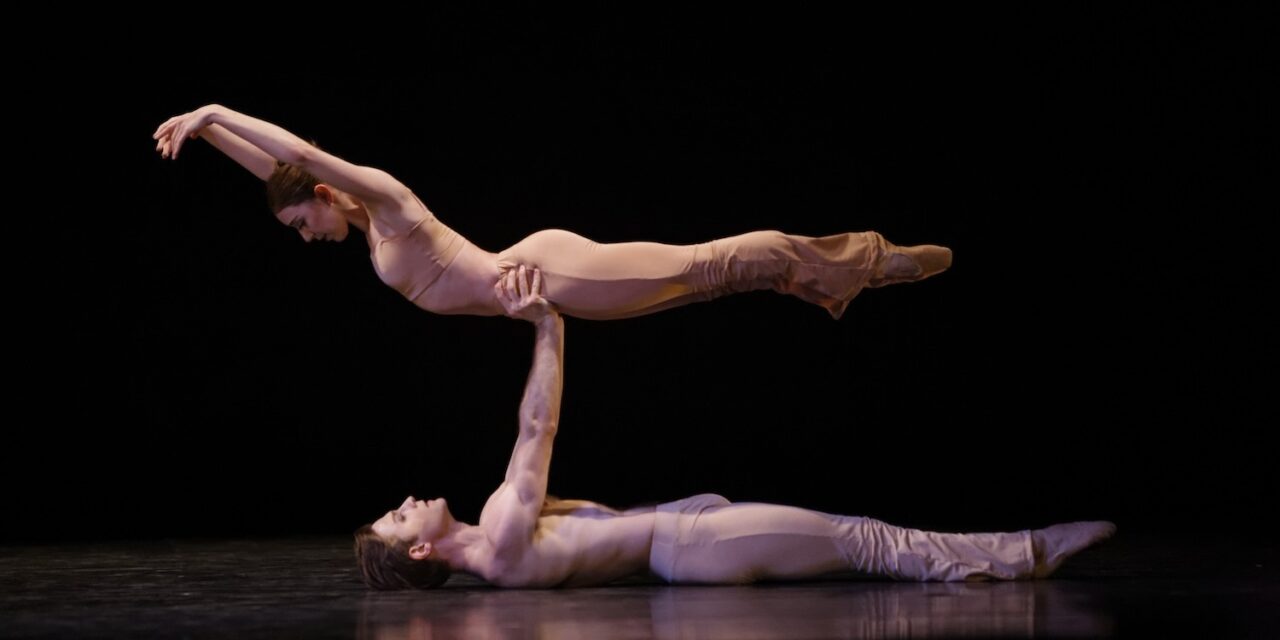
Instigated by superstar pianist Lang Lang and choreographed by Stanton Welch, Sons de L’âme (Sounds of the Soul) premiered in Paris in 2013. Houston Ballet dancers articulated Welch’s steps onstage with Lang Lang playing two hours of Frédéric Chopin’s solo piano music to standing ovations at multiple sold out performances. Since its 2013 premiere, the full ballet had not been performed until in April of this year when Houston Ballet performed the U.S. premiere of Sons de L’âme with award-winning pianist George Li essaying the Chopin marathon.
Sons de L’âme receives its third full production as Houston Ballet opens the 2026-2027 dance season at Segerstrom Center for the Arts from October October 15 to 18, 2026. Pianist Li joins the dancers onstage, playing live at all five performances.
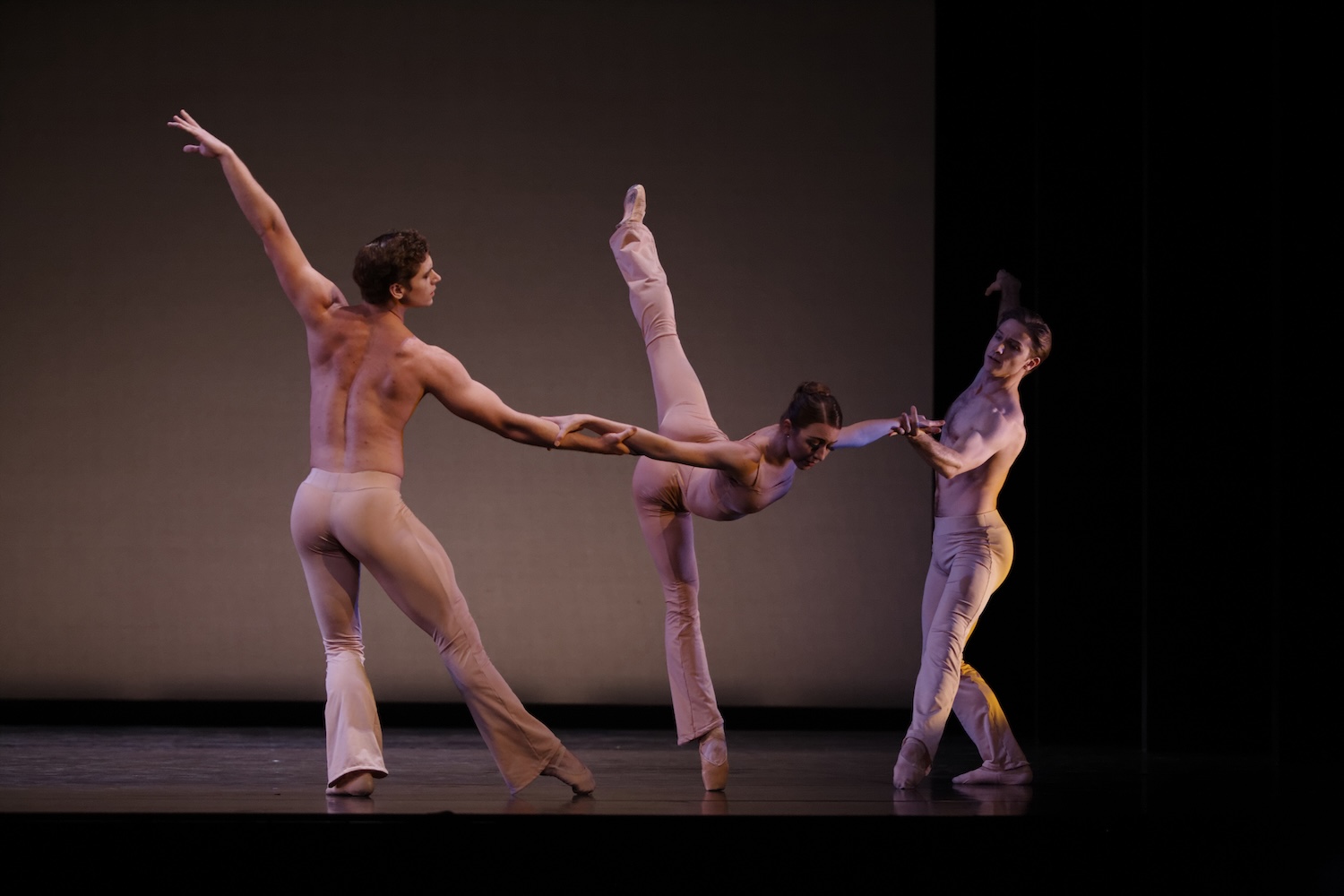
Houston Ballet. Photo by Sebastien Mathe.
When Lang Lang initially reached out to Welch in 2012, the choreographer already had a lengthy resume choreographing for national and international ballet companies, including at Houston Ballet where he was artistic director.
Shortly before the company left Texas for the Segerstrom performances, Stanton Welch spoke by phone with dance writer Ann Haskins about Lang Lang’s idea to add ballet to his 2013 Paris solo concerts, the kismet of events that initiated the ballet’s 2026 return, the dynamic of dancers responding to a showcased pianist, and the enduring allure of Chopin’s music for choreographers. The interview has been edited for length and clarity.

Stanton Welch. Photo courtesy of the artist.
Haskins: I read that Sons de L’âme began with an airport encounter you had with Lang Lang.
Welch: Yes. Lang Lang had reached out to me to do a piece with him to Chopin music. After I came up with the concept, I flew out to meet him in LA, and I said I would like it to be a full evening piece. He said yes. That’s how it came about. He was releasing a Chopin album with a huge collection of Chopin, and he asked me to select from that. I made selections, put them in the order that I felt worked for the structure of the ballet, and then presented the selections to him.
Haskins: What was your process for selecting and arranging the music?
Welch: Chopin and ballet have a very long relationship. As a dancer, you are accustomed to so much of this music, be it through class or performances or ballets, and so you have very personal reactions to it. I picked ones that for me felt like I had something to say with the music, that meant something to me. I didn’t want to have too many that were one type of feeling. So that was a part of the selection process.
Haskins: Was the unusual evolution of the project a factor into your selection of dancers?
Welch: Yes. I knew that with Lang Lang, I wasn’t going to be in a place where I could really be going up to him and say, “Look, I don’t like the tempi of this, and you need to slow this down.” I needed the dancers to be in a place where they could cater and adapt to what he was going to do, and that was kind of unique. That came into making the selection of the pieces, and also how I cast it. I chose 16 dancers, people that I felt I could really lift to that situation, could be that musical, and if he went fast, they would go with him. It was all connected. There’s a lot of interaction between the dancers and the pianist on stage, the same sense in a ballet studio where you often have just a rehearsal master and a pianist and a dancer. That’s a very common place for us, and that relationship a dancer has with the pianist and the music, that was a part of the idea of the ballet.
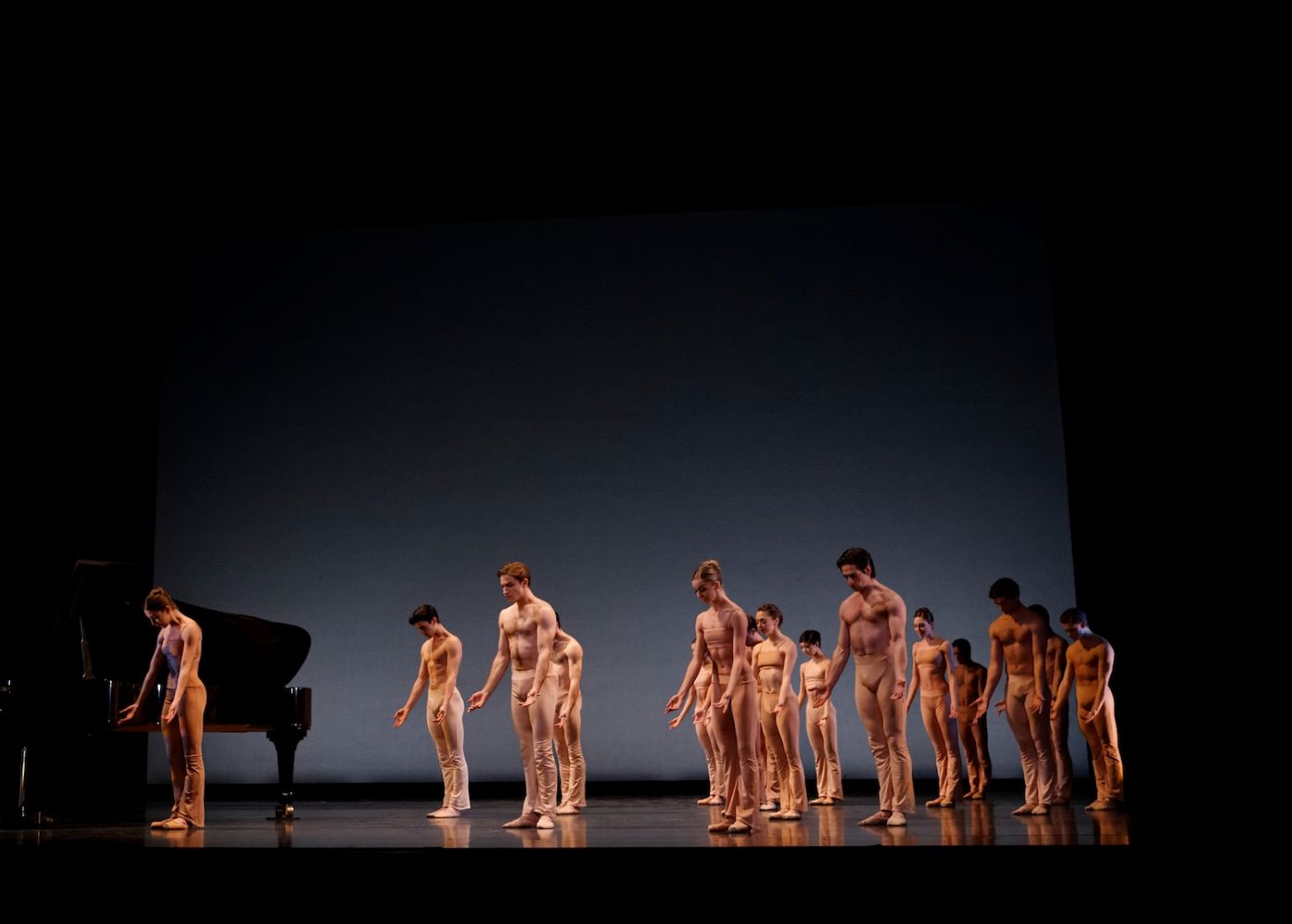
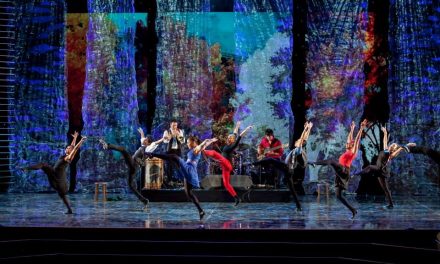
Houston Ballet. Photo by Sebastien Mathe.
Haskins: Had Lang Lang involved ballet dancers in his concerts before?
Welch: He had done something where he had a couple of pieces of music and someone did a pas de deux with him playing on stage, but there wasn’t much interaction. I think when he engaged me, initially his plan was for something similar. I wanted to do something different, to really make it about the relationship between him and the dancers. I think sometimes for a solo pianist, it’s quite a lonely experience. I wanted him and the music to be involved with the dancers, with eye contact and, at times, the dancers standing there, just listening to the music with the pianist. And Lang Lang was really connected. He doesn’t read the music. He knows it all by heart. So he was right there with the dancers the whole time. It was quite extraordinary.
Haskins: Was he pleased with the result?
Welch: Definitely. Afterward he was very gracious. He thanked me and took the dancers to many meals. I haven’t been around many people of that fame level. He’s like a rock star. I definitely felt like it was a big success. It was a wonderful experience.
Haskins: The Segerstrom website indicates the ballet is 2½ hours plus an intermission. That sounds something like a marathon for the pianist.
Welch: Well, maybe not quite that long. It is a bit over two hours with an intermission. I don’t think either act is an hour, depending on applause, maybe on the verge of an hour.
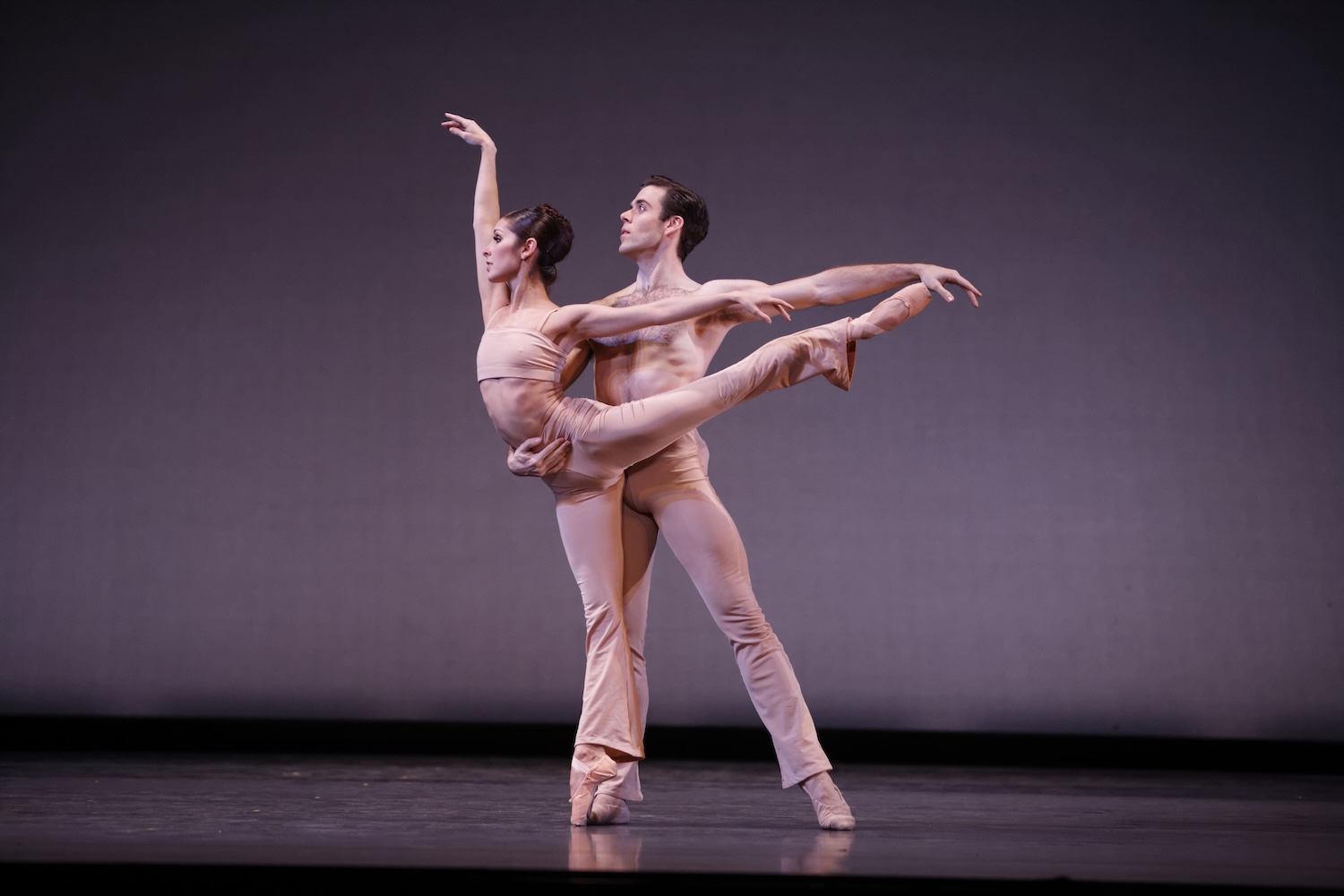
Houston Ballet. Photo by Sebastien Mathe.
Haskins: How did you develop your choreography for the ballet?
Welch: I really went into it without any sort of a story or plot. It was just about the emotional reaction to the music, and then the dancers in it. All of the sections feel very personal in a strange way. They all feel very intimate, like it’s a diary. It doesn’t feel like I’m putting on Marie Antoinette or Madame Butterfly. It feels like my own story, in a way, and of course that includes the dancers that were in the piece as well. It feels very intimate and very quiet and retrospective. Of course it also depends on the dancer. We’ve been doing sections of it for a few years now, so these performances will involve some of the same dancers. I say about half, actually more than half, are new to it and have only done it this year. It is wonderful to see them grow in it and explore it because it’s hard material. They are on stage in basically nude costumes, very simple with just a piano, and every breath they take, every step they take can be heard, and everything feels very naked.
Haskins: Since 2013, Houston has performed sections, but the full ballet had not been performed until April this year.
Welch: Yes. So we had done different sections as a 20 minute piece for galas, for guest appearances, things like that, but never in its full form like we had done in Paris. Then this past April, we premiered the full ballet here in Houston at the Asia Society with George Li as the pianist. We had such a great experience with him and having the piece back up to its full form.
Haskins: Which came first, the decision to do the full piece, or the fact you had a pianist like George Li to do it?
Welch: Both. We certainly needed the pianist. We also needed the venue. Once we had a venue that was up for it at the Asia Society, we talked with them about a pianist that they would really recommend. They sent a couple of choices, and then we talked to George, then he played for us. He was wonderful, and a very generous artist with the dancers, which is great.
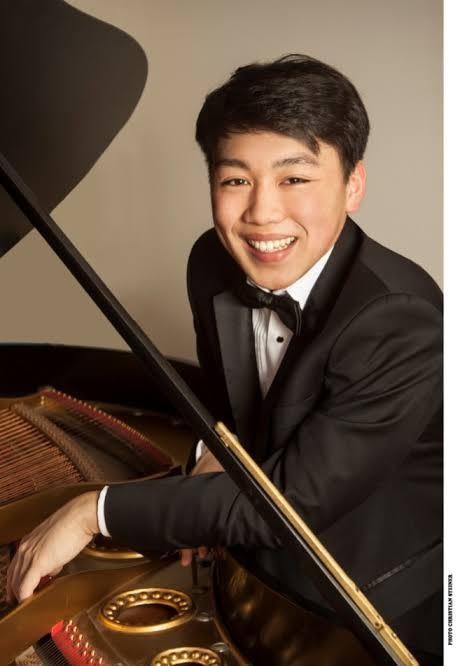
George Li. Photo courtesy of the artist.
Haskins: Looking at the long list of ballets you have choreographed, I couldn’t identify any set to Chopin. Had you previously done a ballet to Chopin?
Welch: No. I’ve danced to the music, but I haven’t choreographed to it. It’s interesting. Because Chopin’s piano music is around us all the time. I think a lot of the pieces that I used are from ballets I’ve danced in.
Haskins: How was it decided that of all of Houston’s repertoire and all the ballets you’ve done for them, Sons de L’âme was the one to bring to Segerstrom for what will be only its third full performance?
Welch: Well, Segerstrom was very much a part of the choice. We offered a selection of what we have up and going from our season, and this was the ballet selected by the theater.
Haskins: Please tell me about the dancers?
Welch: We’re taking 16 dancers, basically all the top-ranking people of the company. Over the course of the run, all 16 will dance in different ways.
Haskins: In a performance with a company’s top dancers, the conductor often is paying attention and accommodating certain moments for the lead dancers. You’ve described a somewhat different relationship in this ballet.
Welch: Yes, here the dancers are in the hands of the pianist, so to speak. The pianist and the dancers can look at each other. You can say a lot with your eyes, and when the pianist knows what the music is, and we know their tempi. That’s what we rehearse. We rehearse to recordings, so we have their speed and their taste. The only thing that we really need for the performance is for it to be similar each night. Lang Lang is a genius, yet he would be crazy fast. And then, after he finished the ballet, he did encores of things. Still, we knew what we were going to get. George has more of subtlety and some more of the emotion. Still, stamina-wise, I think the pianists love it.
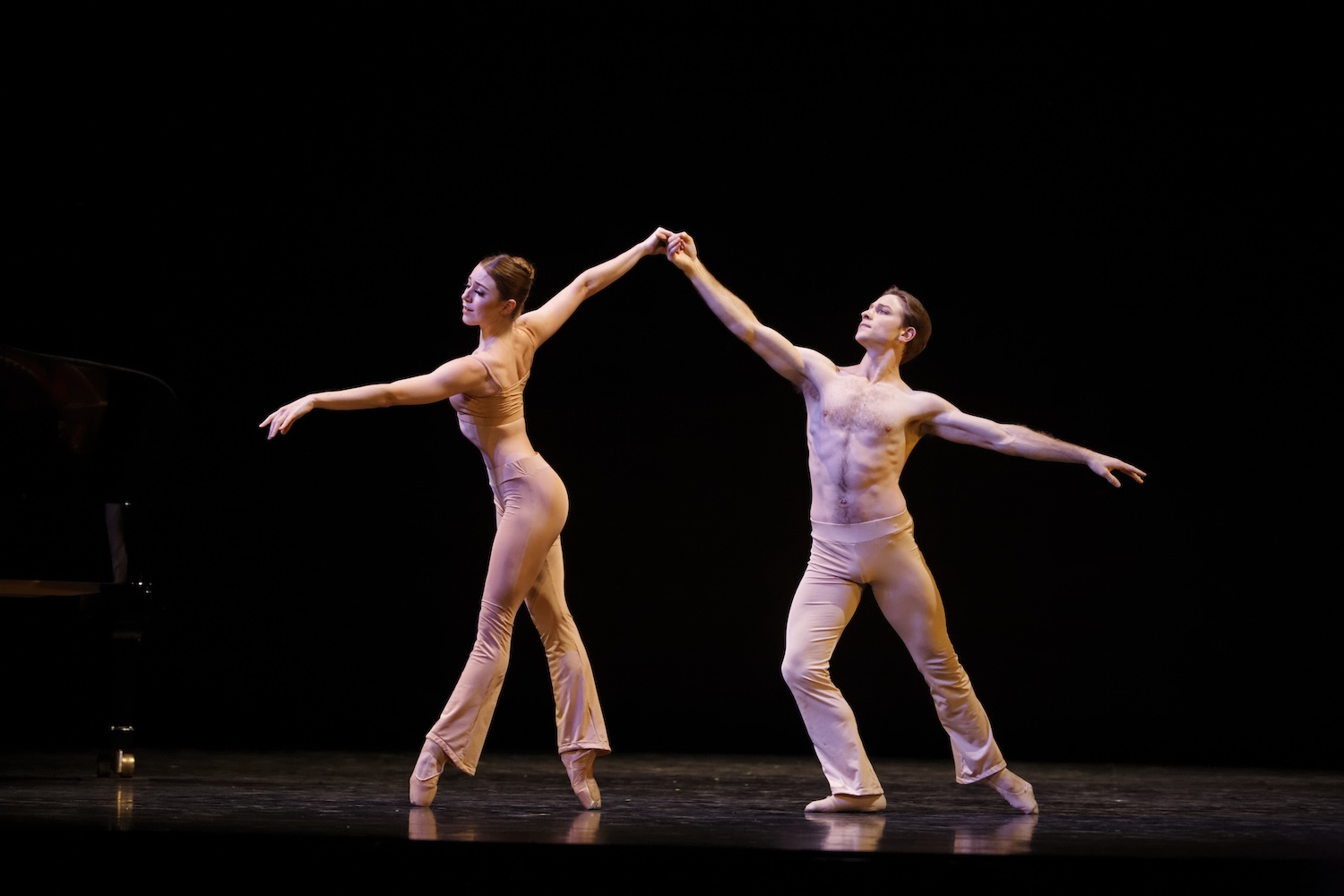
Houston Ballet. Photo by Sebastien Mathe.
Haskins: Reviews and press material on Sons de L’âme consistently comment on the costumes and you’ve sort of alluded to the costumes appearing nude. From the online clips, they look very pale, almost flesh-colored, with the men bare chested and the women in something like a sports bra. Both are in tight pants that are loose around the ankle, like jazz pants.
Welch: Yes, exactly. The idea of the tone is each costume is either a shade darker or lighter than the dancer’s own skin. I just love the idea of making everything very neutral, so that the piano, which is black and white, and the sound stand out. We weren’t trying to fill the stage with costumes or fill it with color. It’s again about that naked sense. I don’t know if you ever remember that MTV Unplugged series where they would have the singer come and do it all acoustically and in an intimate studio. It’s kind of my balletic version of that. So the costumes are very much about just giving you the dancer in their body, and that their body is all the shape and all the beauty.
Haskins: Houston Ballet has not been a frequent visitor to Southern California, but you were one of three ballet companies that performed as part of the William Forsythe Festival about 10 years ago and before that around the 1980s. I think it was at the Music Center with Ben Stevenson’s Dracula with a very young but already stunning Carlos Acosta.
Welch: The Forsythe Festival was amazing. Also, I actually danced here when I was with the Australian Ballet. We were at the Music Center on tour in the 1990s as I recall, with a mixed rep program that included Graduation Ball.
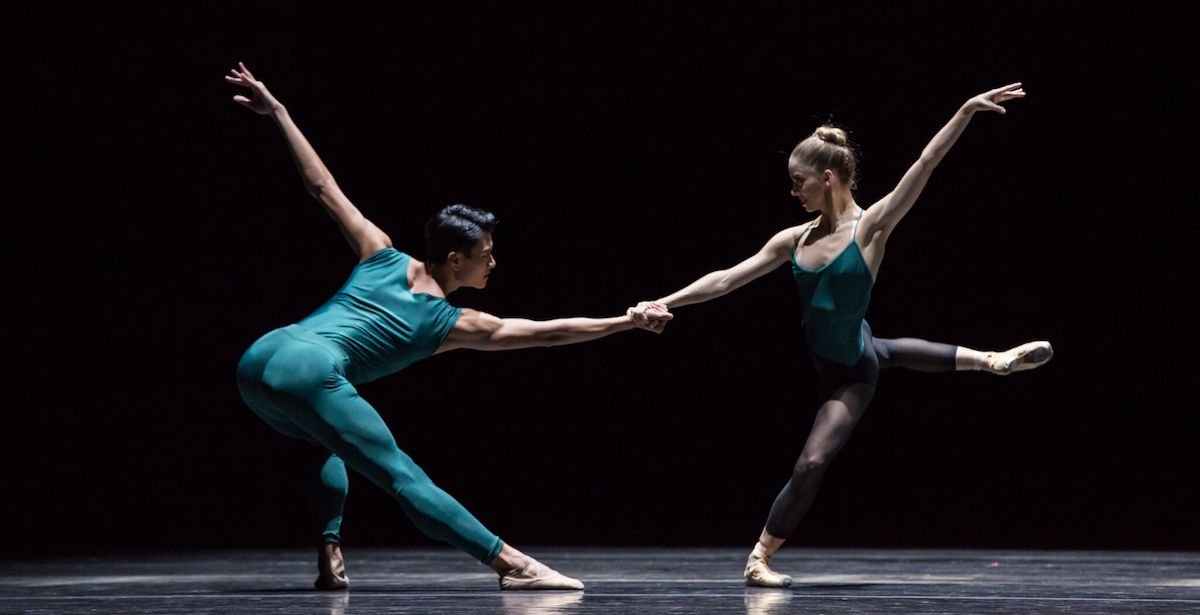
Houston Ballet in Celebrate Forsythe. Photo by Anitava Sarkar.
Haskins: Is there anything else that you’d like people to know about Houston Ballet bringing Sons de L’ame?
Welch: It is all Chopin, but he has variety, and the mood of the ballet changes from time to time. I do think it really showcases the company and their musicality, and of course, George and his playing. We’re super excited about returning to this beautiful theater with this ballet. I love that the company gets to dance there. It’s going to be part of their memory of dance forever.
Houston Ballet – Sons de L’âme at the Segerstrom Center for the Arts, 600 Town Center Dr., Costa Mesa; Thurs.-Fri., Oct. 15-16, 7:30 pm, Sat., Oct 17, 2 & 7:30 pm, Sun., Oct. 18, 1 pm, $44-$169. Houston Ballet
To learn more about Huston Ballet, please visit their website.
To see the full dance season at the Segerstrom Center for the Arts, Please visit their website.
Written by Ann Haskins for LA Dance Chronicle.
Featured image: Houston Ballet. Photo by Sebastien Mathe.