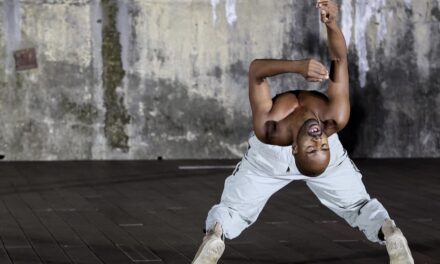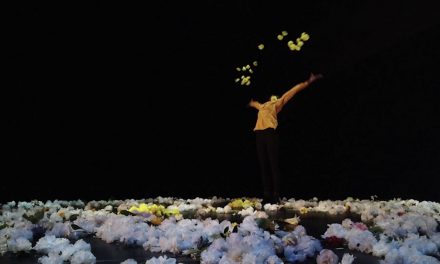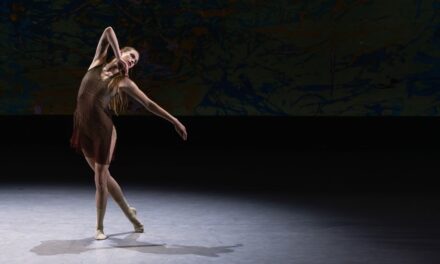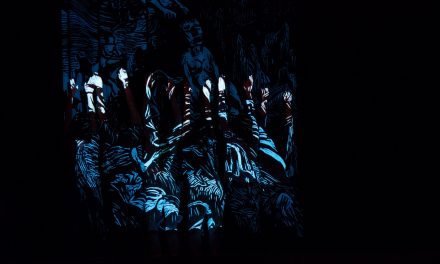
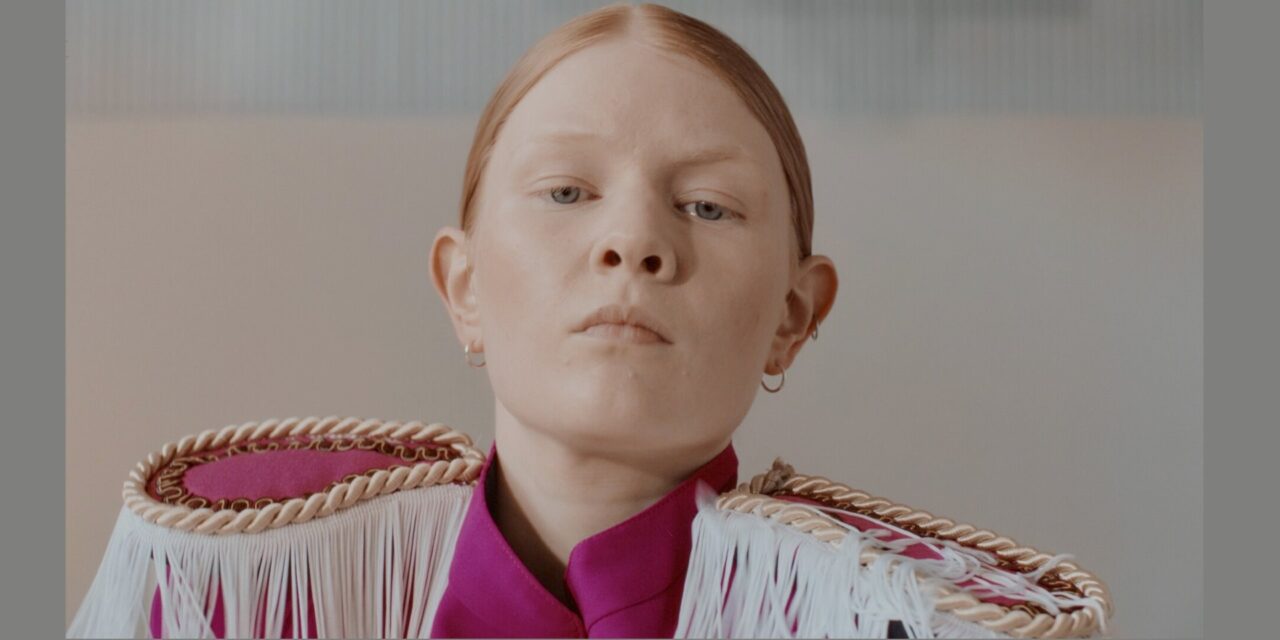
On the evening of January 23, 2026, I had the pleasure of arriving at Théâtre Raymond Kabbaz for the second night of Dance Camera West’s annual festival. The evening highlighted 15 international dance films, showing how movement can defy language barriers and unite one another through dance.
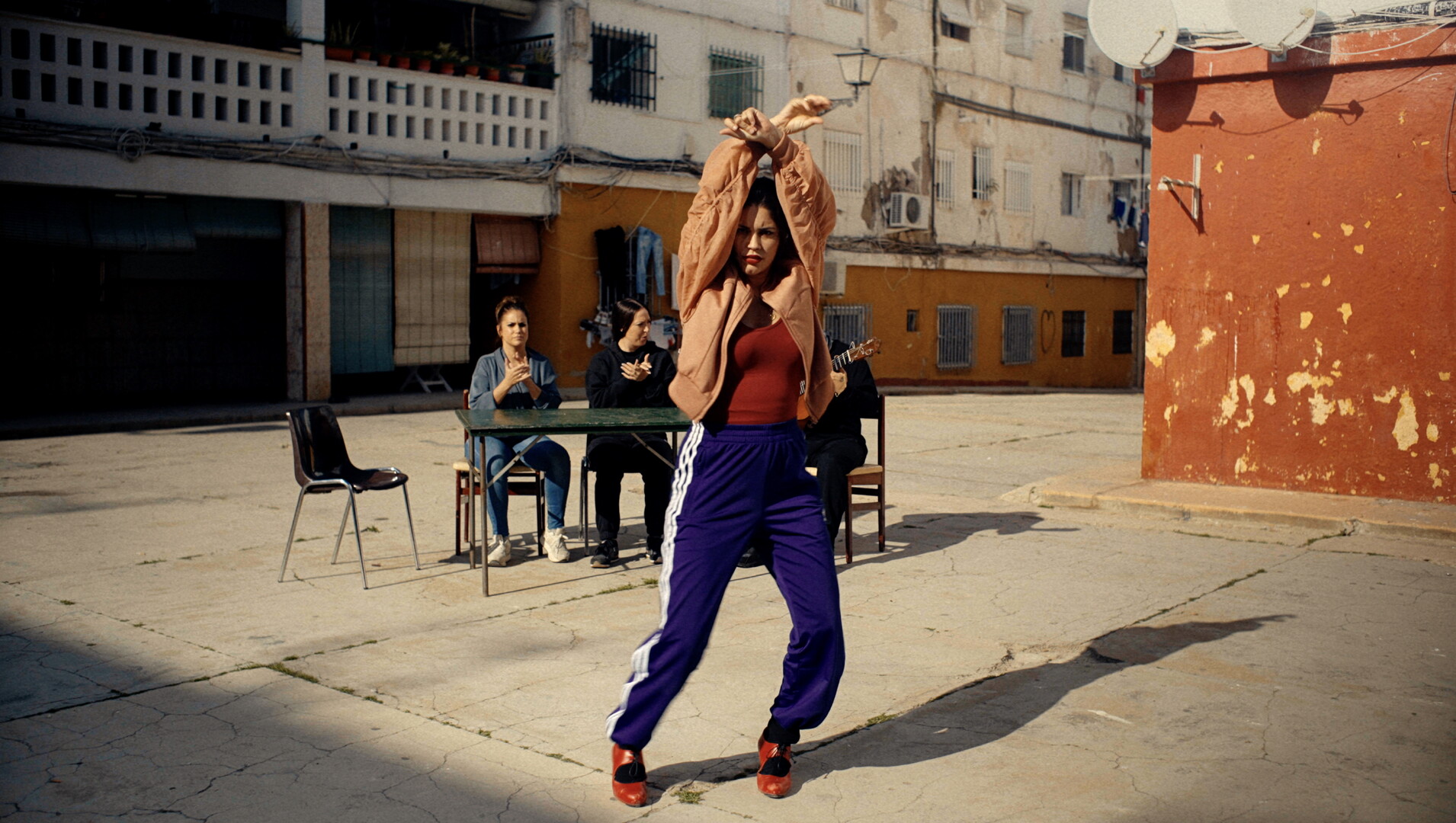
“Carmen” (Spain) Directed by Andrew Margetson – Still courtesy of DCW.
To open the evening’s lineup of films was a short titled Carmen. The dynamic film was created in Spain and directed by Andrew Margetson. A young woman shows the power and intricacy of flamenco in the backstreets of Sevilla. Performed by Carmen Aviles, her nonchalant attitude and powerful use of body language kept me engaged until the end.
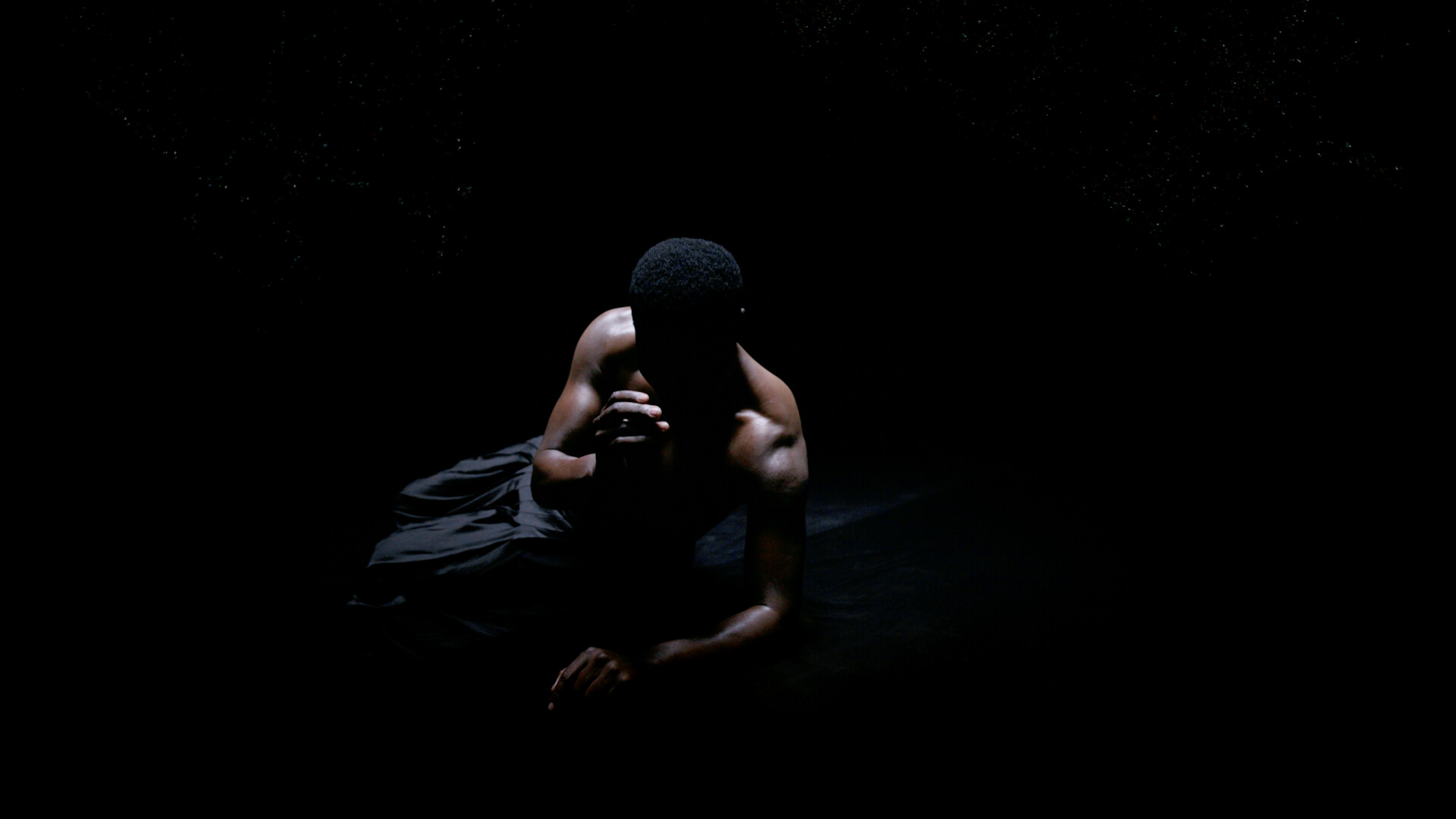
“Dreams Decent” (South Africa) Directed by Sara Gouveia, Inka Kendiza, and Gregory Maqoma – Still courtesy of DCW.
Following this work was a film created in South Africa titled Dreams Descent created by Sara Gouveia, Inka Kendiza, and Gregory Maqoma. The film follows a singular dancer through a dreamlike landscape which at times had him reflecting on his own identity and toyed with the line of reality versus imaginary. The film heavily relied on special effects which were at times very impressive, however, there were moments these effects felt distracting from the beautiful movement that the dancer was doing.
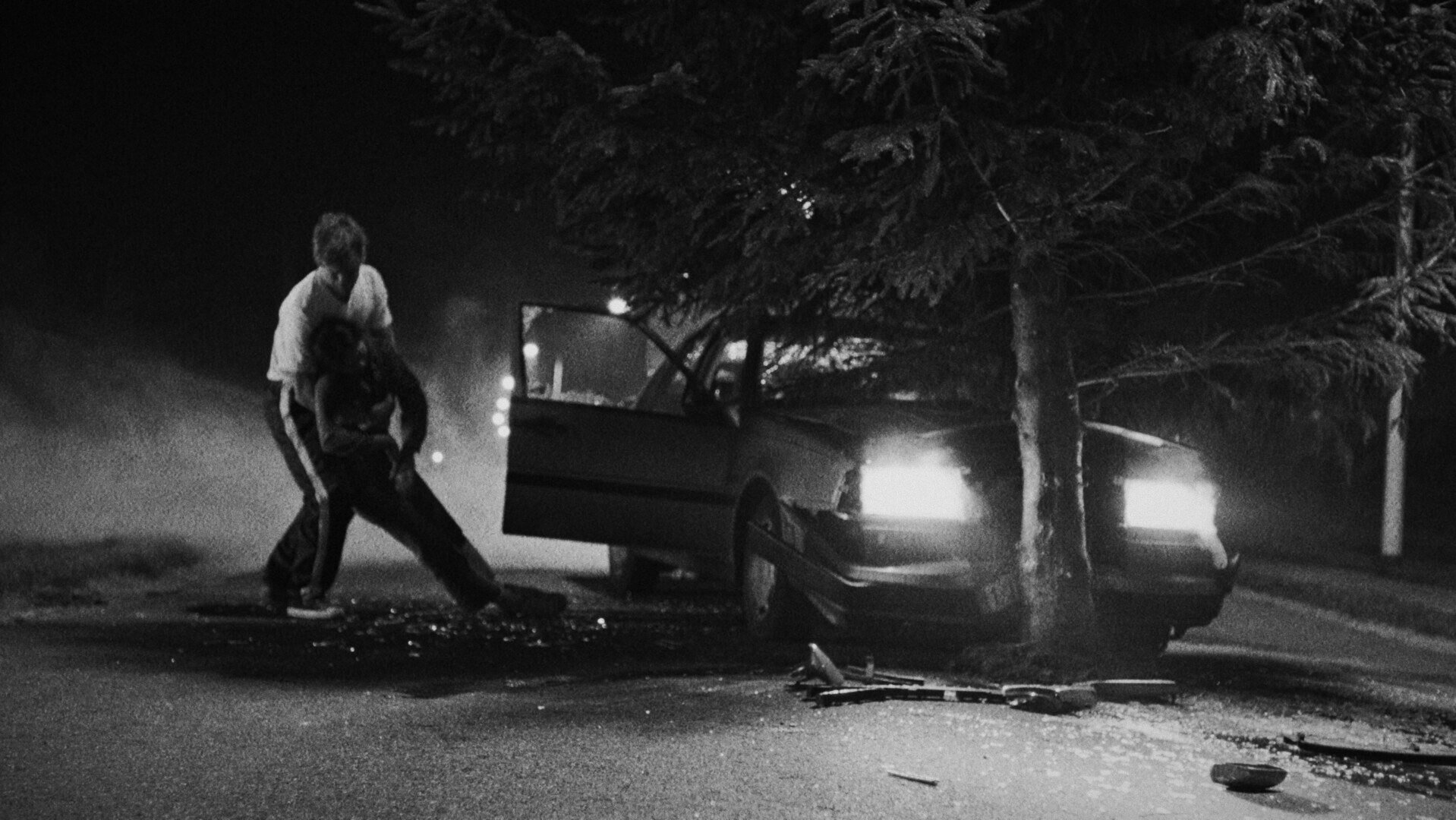
“Five More Minutes” (Belgium) Directed by Guto Azevedo and Diego Santana Claudino – Still courtesy of DCW.
The next work, titled Five More Minutes, came from the Belgium directors Guto Azevedo and Diego Santana Claudino. This piece explored grief and the haunting question of, “If you had five more minutes with a loved one who’s passed, what would you do with that time?” The work explored an intimate duet that appeared to happen after a fatal car accident. The special effects and choreography beautifully represented the stages of grief.
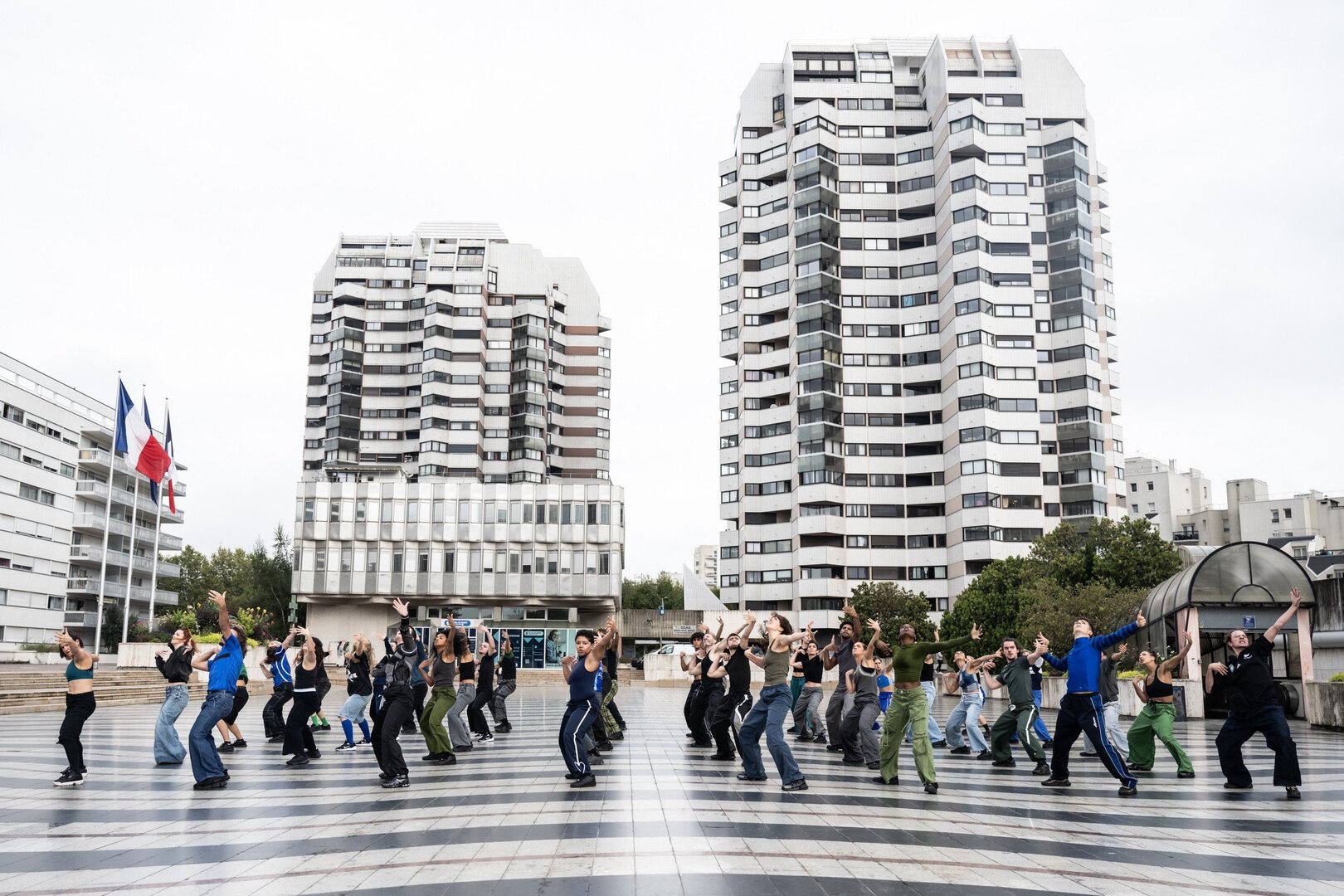
Bolero.S (France) Directed by Mehdi Kerkouche – Still by Julien Benhamou, courtesy of DCW.
Following was a film titled Bolero.S, directed by Mehdi Kerkouche and created in France. This film utilized impressive group unison, the kind that was visually satisfying as the group of twenty plus dancers moved in sync. The energy in this film felt contagious and although there wasn’t a clear storyline or theme, the universal energy of being together carried my intrigue til the end.
Pidikwe was the title of the piece that followed, directed by Caroline Monnet in Canada, the work featured indigenous women of various generations. The work clearly fused traditional and contemporary dance which spoke to the multi-generational commentary between the women. The use of lighting and flamboyant costume design really enhanced this film’s execution.
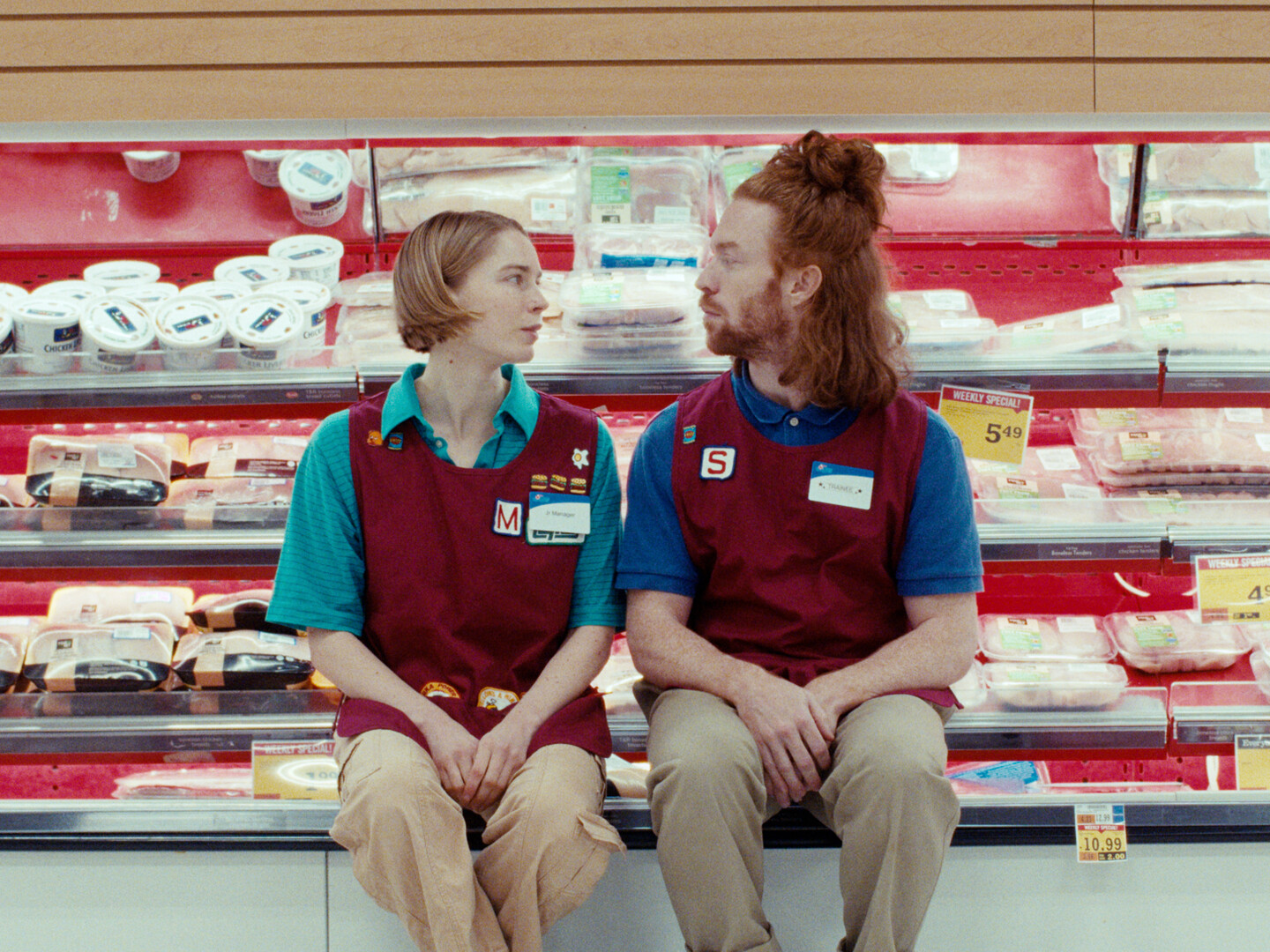
“One and One Other” (USA) Directed by Shawn Fitzgerald Ahern and Emilie Leriche – Photo by Ahern Lerich, courtesy of DCW.
My personal favorite of the night was titled One & One Other (episode 1), created by Americans Shawn Fitzgerald Ahern and Emilie Leriche. This comedic, witty, and beautifully ridiculous film followed the night shift shelf stockers at a grocery store. The film ventures into how extraordinary ordinary life can be when we find companionship and use our imaginations. The work incorporated impressive contemporary dance and partnering all while causing uproars of laughter throughout the theater.
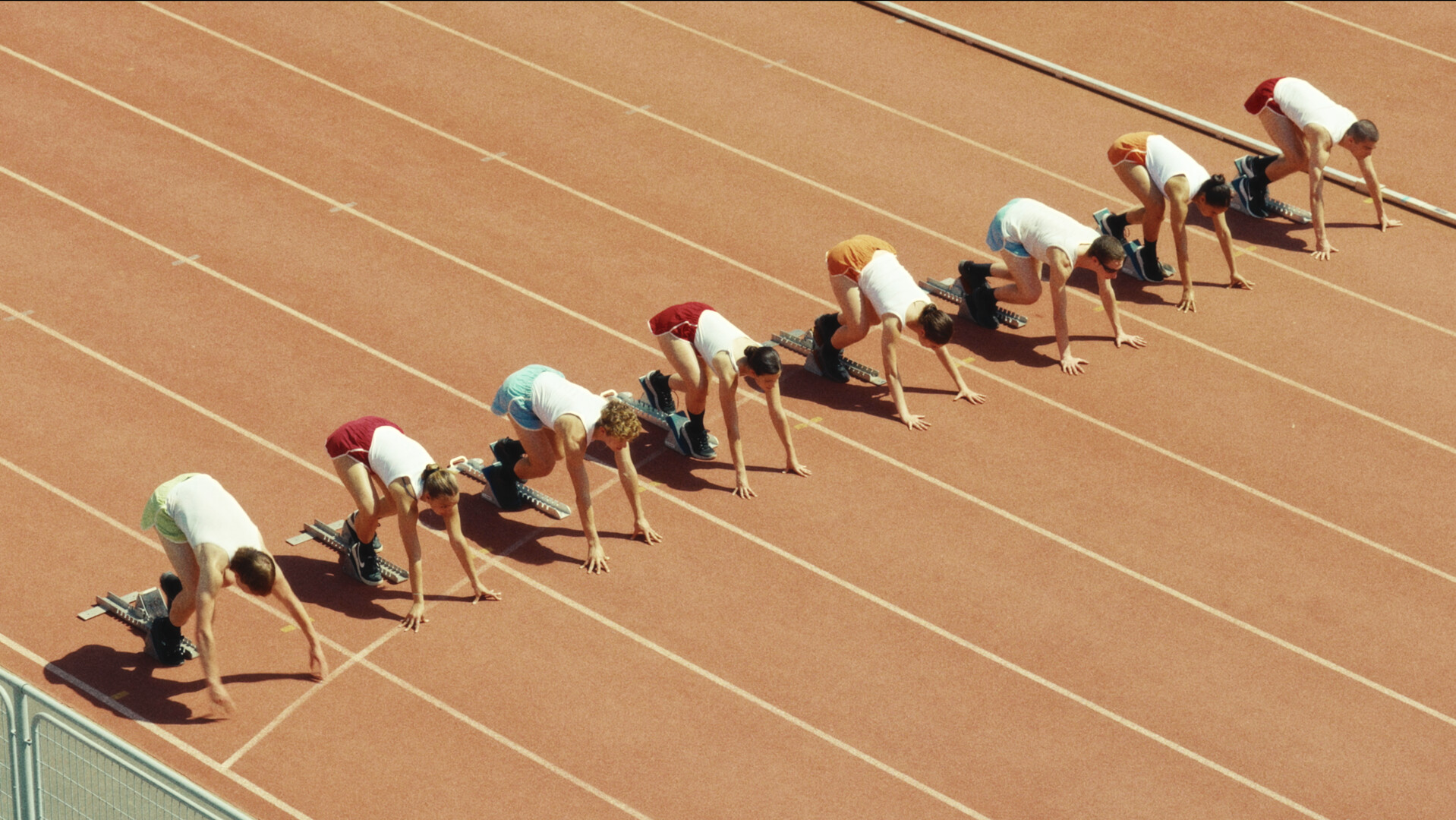
“Podium” (Israel) Directed by Dor Averbuch – Still by HERO, courtesy of DCW.
After a brief intermission, a dance film by The Batsheva Ensemble titled Podium was shown. Directed by Dor Averbuch, the film took place on a runner’s track, highlighting the dancers’ athletic abilities. Although short in length, the work was visually striking and had me wanting more.
Following Batsheva’s piece was a work from the Russian Federation titled Devil’s Deal. Directed by Polina Kolosova and Vika Ash, the dramatic, almost soap opera-esque dance film personified the seven deadly sins as seven male dancers. The dancers were all negatively influenced by the singular woman who is supposedly portraying the devil. This aspect of the work felt a bit cliche as it alludes to the idea that women are responsible for the wrong doings of men when it comes to temptation, however, the movement of the dancers was technically beautiful.
Up next was another favorite of the evening titled Snow in Autumn, created in Mexico and directed by Soloponto. This film was an ode to the labor done in the cotton fields of the Laguna region of Mexico. The film had surreal visuals and the choreography embodied the grit of physical labor perfectly.
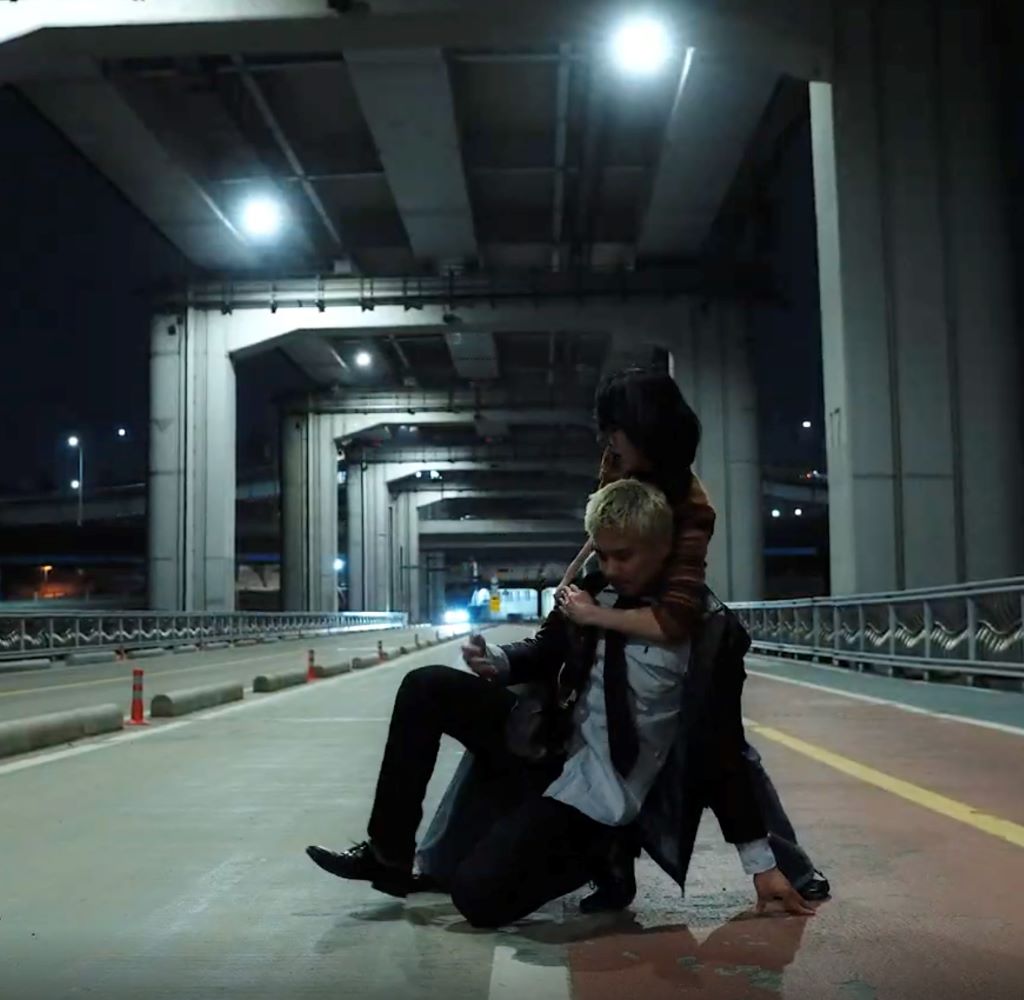
“Antihateful” (South Korea) Directed by Kim Tae Yeop and Lee Young Seo – Still courtesy of DCW.
To follow was Antihateful, a short film created in South Korea and directed by Kim Tae Yeop and Lee Young Seo. This work followed a duet as they danced down a street on a bridge structure. The duet was beautifully performed with great use of abandon and risk, however, context to the theme or story being told lacked clarity as they drifted down the highway.
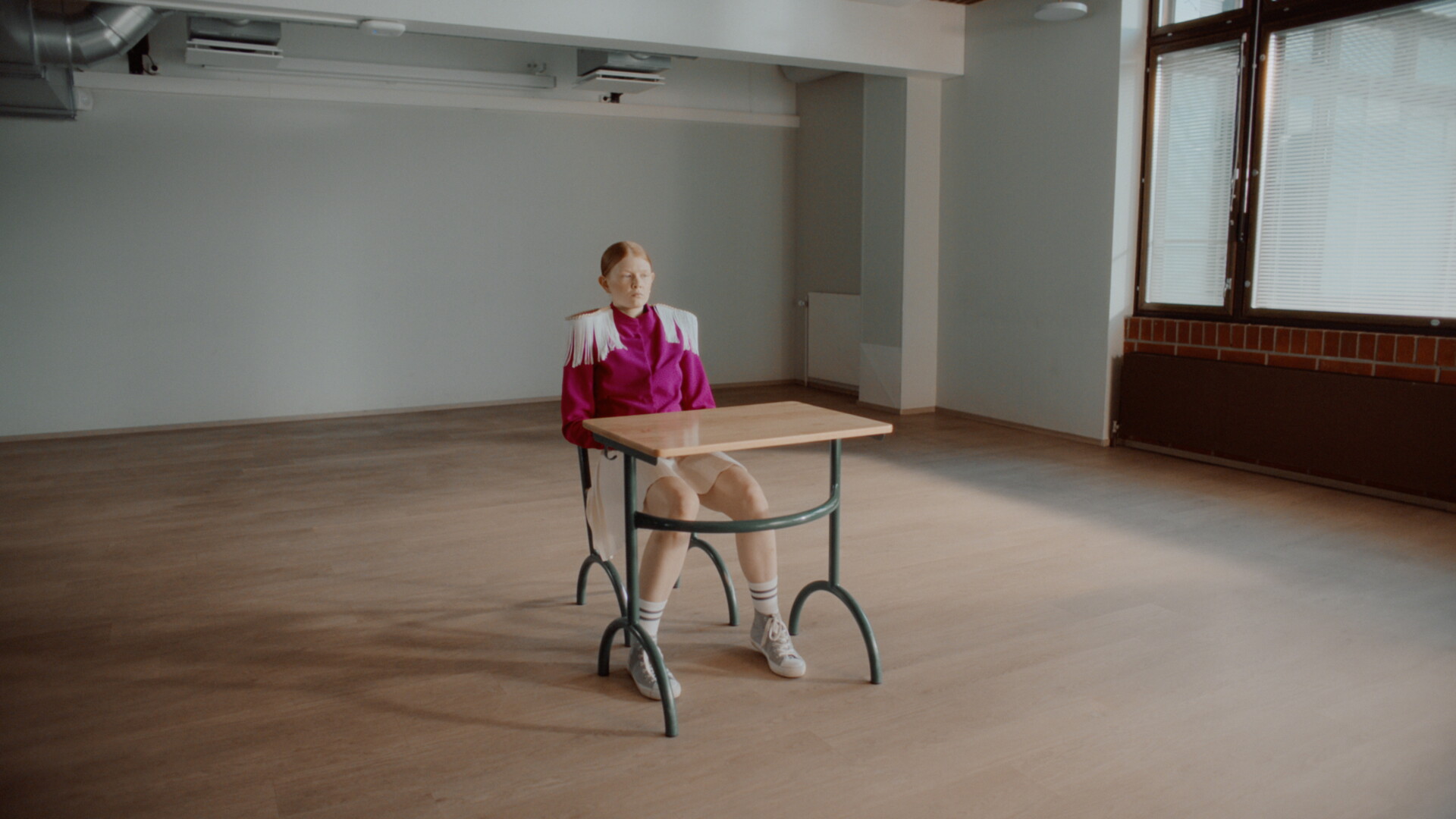
“Kielo” (Finland) Directed by Janina Rajakangas – Still Courtesy of DCW.
The next film, Kielo, came from Finland. Directed by Janina Rajakangas, the work follows a young girl in high school as she navigates the daunting task of self-expression. The piece’s soundscape and choreography was wonderfully aligned with the story being told and is a film I’d love to see be expanded upon.
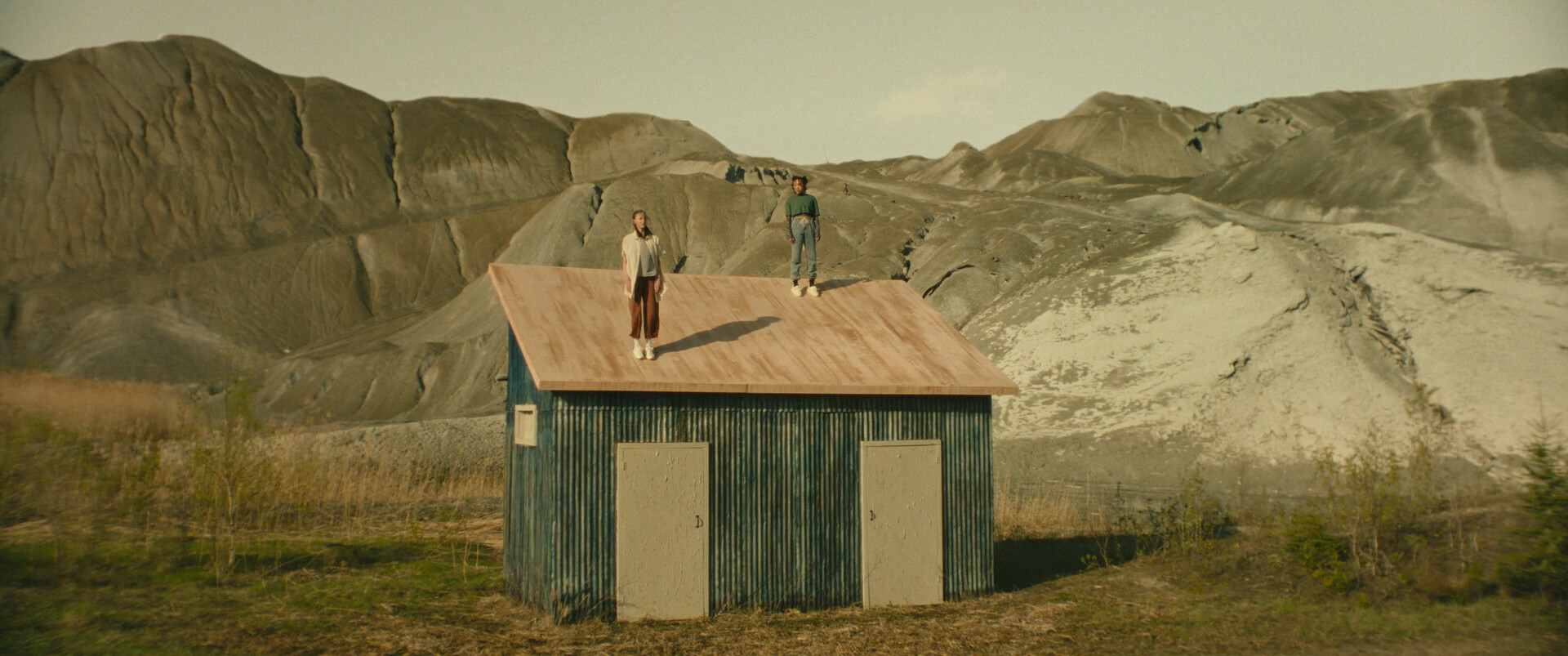
“Fine” (Canada) Directed by Frédérique Cournoyer Lessard – Still courtesy of DCW.
On a much more serious note, Fine was created in Canada and directed by Frédérique Cournoyer Lessard. This film follows a young girl traveling with her family who picks up on the harmful dynamics between her parents regarding sexual abuse and assault. Using both narrative and movement, the film questions intergenerational perspectives on intimacy and sexuality. With a challenging subject matter, the direction and execution of the film was incredibly done.
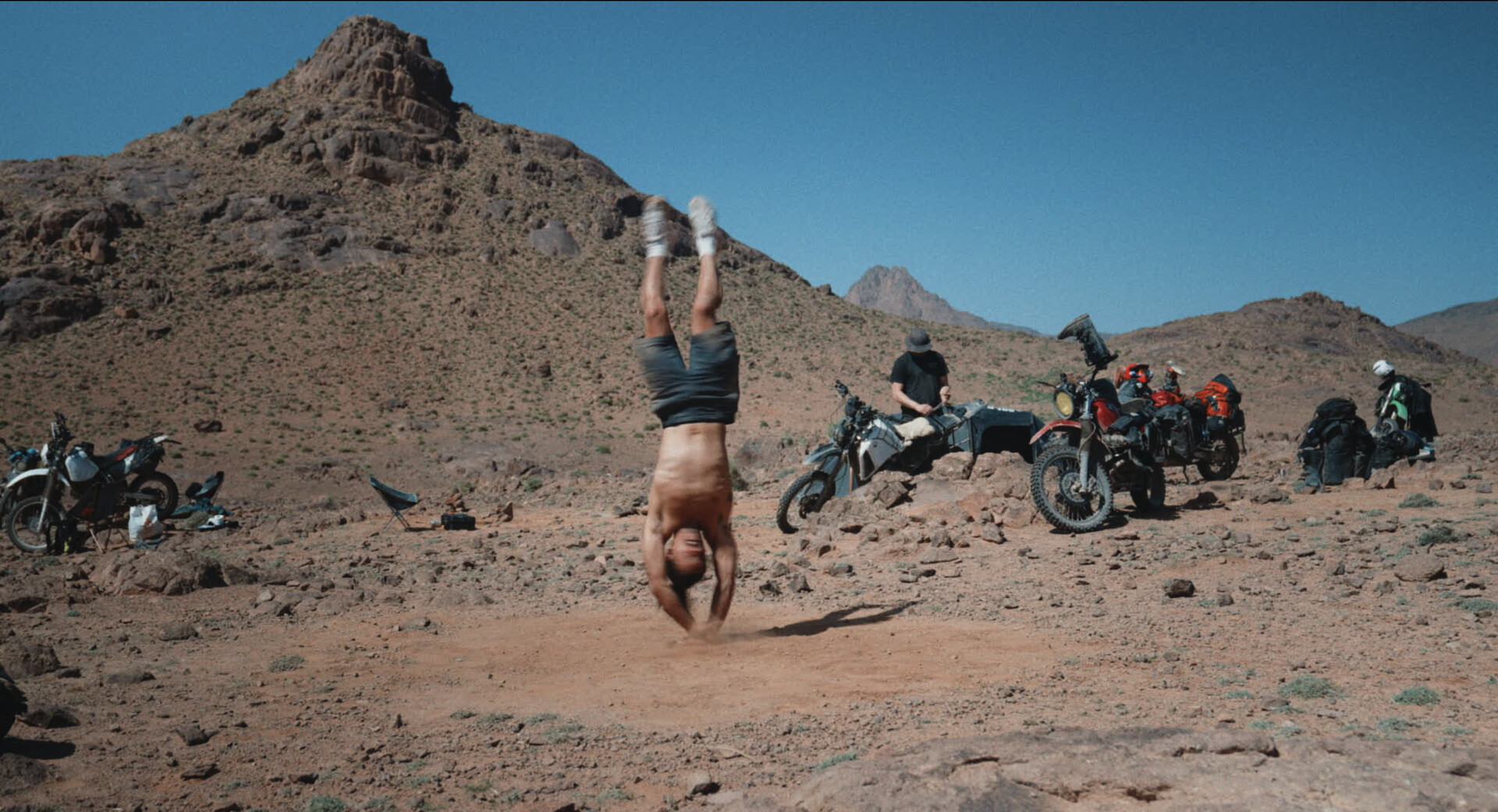
“West” (Netherlands) Directed by Thomas Bos – Still courtesy of DCW.
Closing the evening of Dance Camera West’s second night of films was West created in the Netherlands and directed by Thomas Bos. A quirky film that followed three biker friends as they journey from the Netherlands to Ghana. A piece that utilized special effects to enhance the movement performed, all while questioning the theme of how one can truly live in the present.
It was a great honor to attend Dance Camera West’s night of shorts from around the world. The evening honored the beauty of how movement and film can defy language barriers and borders.
To learn more about Dance Camera West, please visit their website.
Written by Rebecca Lee for LA Dance Chronicle.
Featured image: “Kielo” (Finland) Directed by Janina Rajakangas – Still Courtesy of DCW.