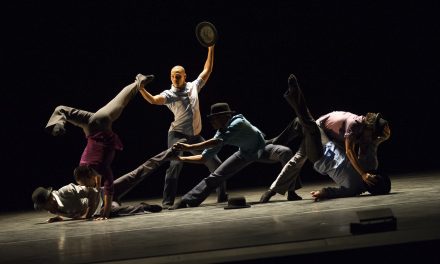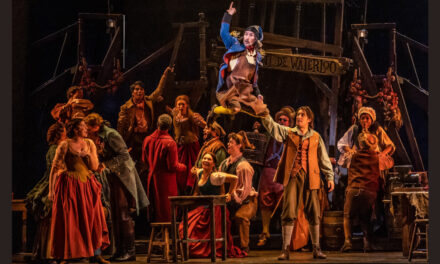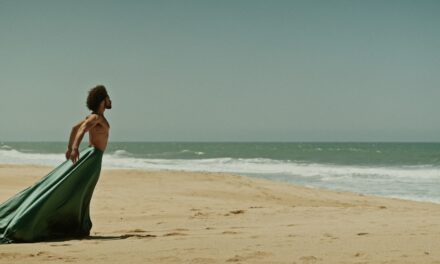
Led by Executive/Artistic Director Kelly Hargraves, the opening night of the Dance Camera West Film Festival was filled with high spirits and anticipation as the audience mingled in the courtyard of Théâtre Raymond Kabbaz, sharing wine and stories of past Dance Camera West experiences. The first half of the evening featured four short narrative dance films by emerging filmmakers and the second half showed a selection of films by renowned director David Roussève.
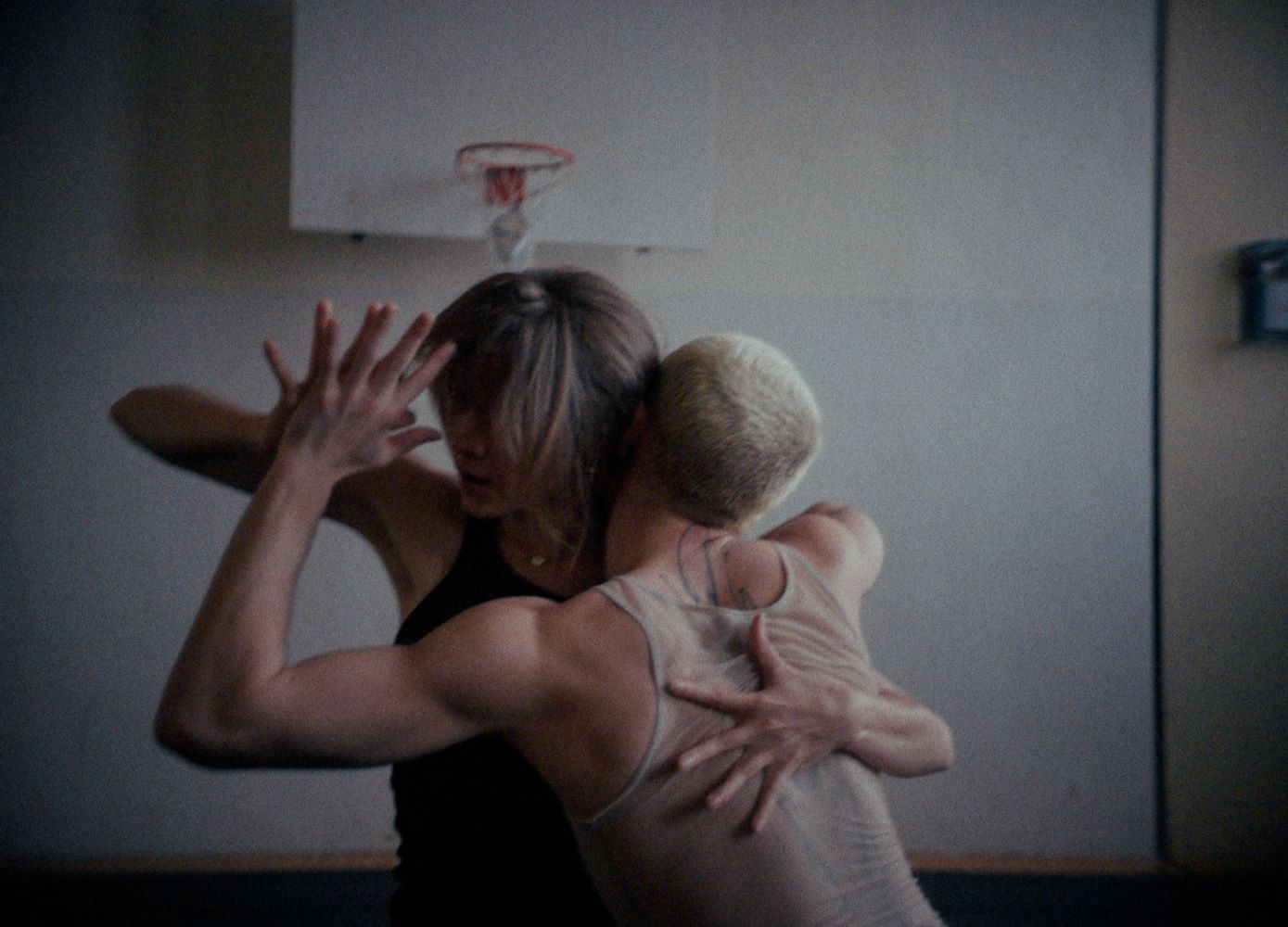
“In Stillness and In Motion” – Directed by Sarah Niemann and Dominic Miller, Choreography by Olga Rabetskaya – Still courtesy of DCW.
The first film, In Stillness and In Motion, directed by Sarah Niemann and Dominic Miller, followed choreographer Olga Rabetskaya through her process of dealing with an injury from a partnering incident. The film shows Olga twisting herself into distorted positions on the floor, representing her pain and struggle to move, while cutting between moments of her sitting still and observing the movements around her. The directors used the image of a spiral as she goes further into herself, cutting in with clips of motion to ultimately come to the conclusion that through stillness comes observation.
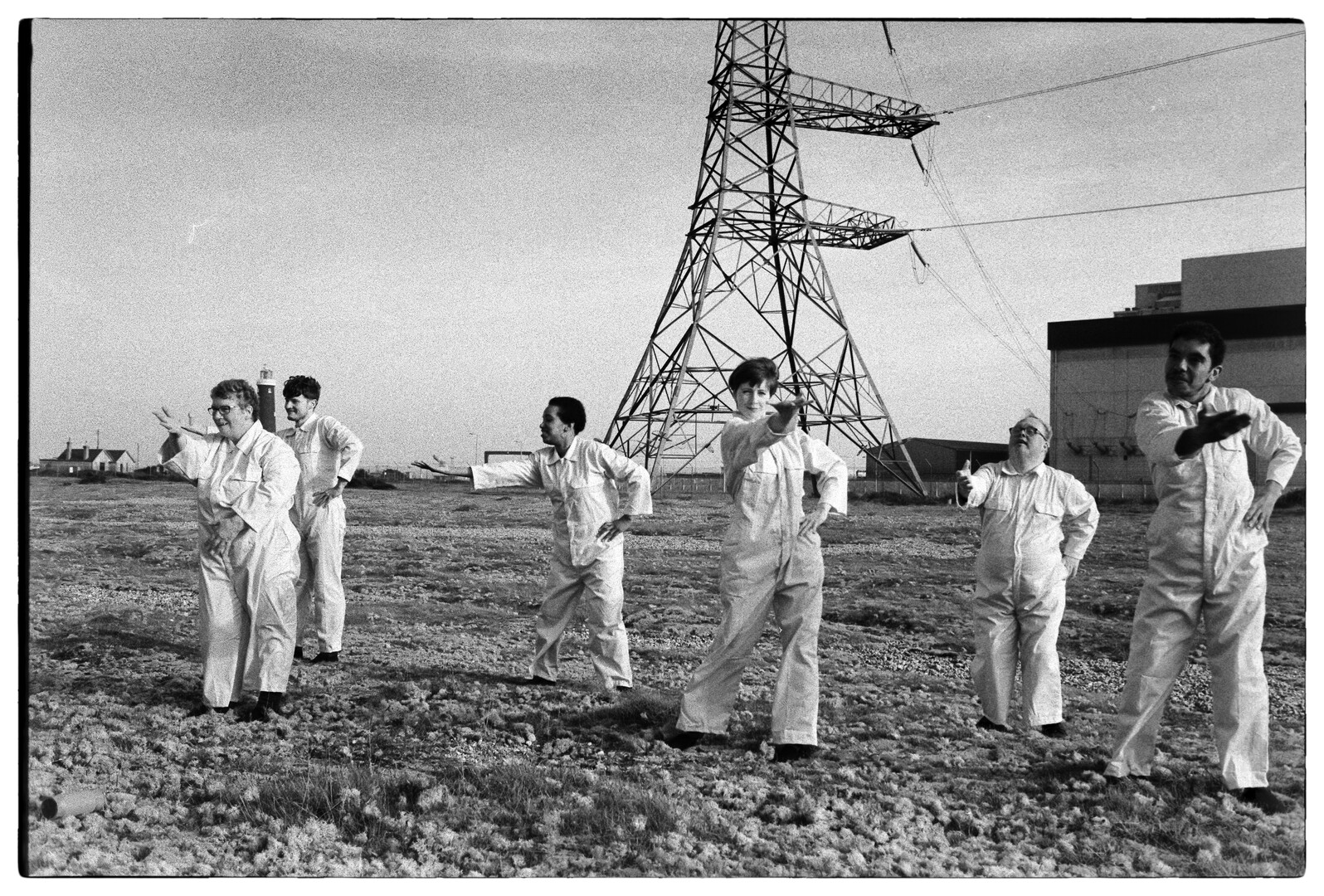
“Weathered Blue” Directed by Daniel Hay-Gordon and El Perry – Still courtesy of DCW.
The second film, entitled Weathered Blue, directed by Daniel Hay-Gordon and El Perry, told the story of Derek Jarman and his iconic home, Prospect Cottage in Dungeness. The film was overlaid with beautiful poetry, all written by members of the community, paying homage to Daniel’s legacy. All dancers and participants in the film were either disabled or members of the LGBTQ+ community, offering visibility and voice to artists who are often unheard and underrepresented.
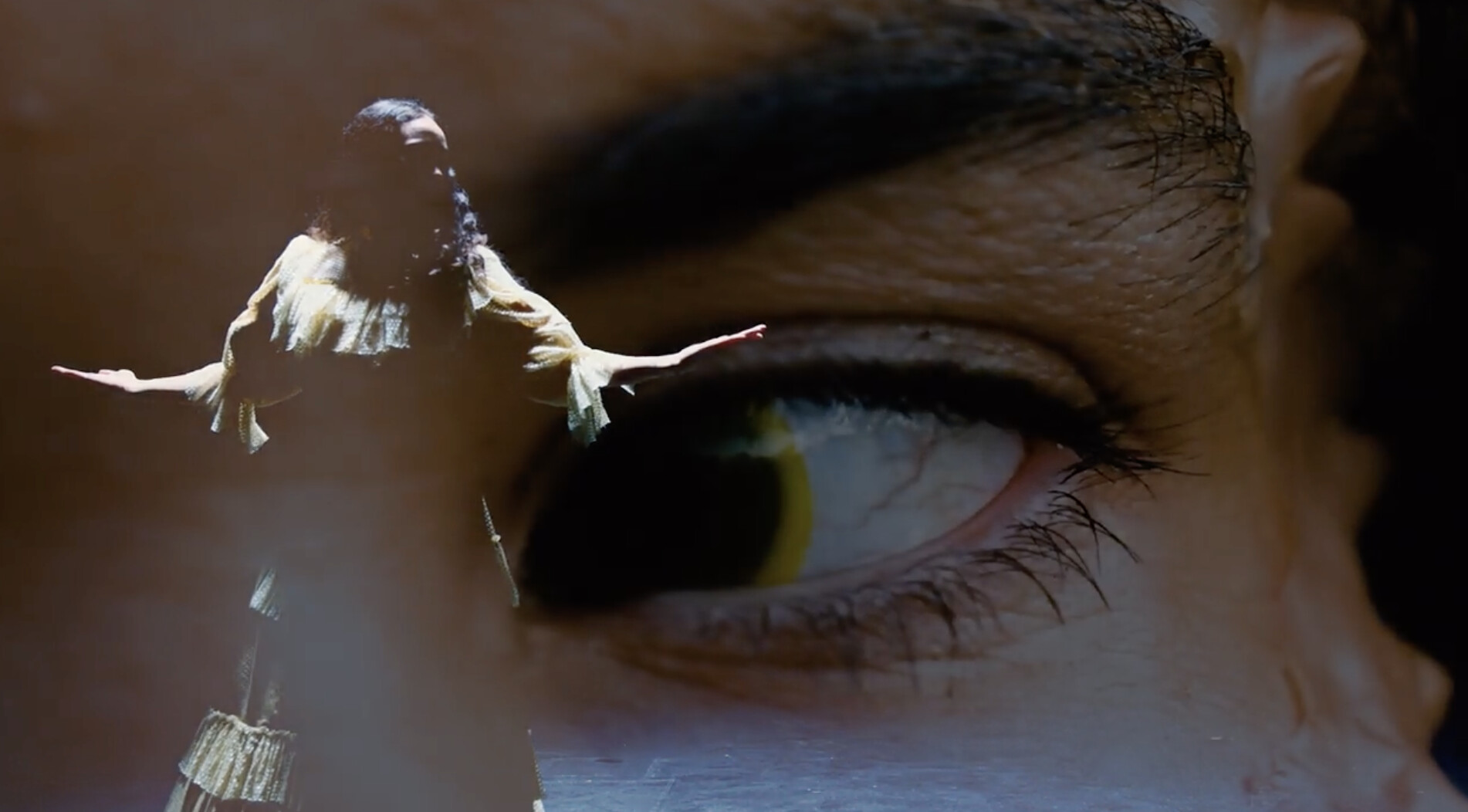
“Memory As a Missionary Position” Directed by Brigitte Leilani Axelrode – Still courtesy of DCW.
The third film, Memory as Missionary Position, directed by Brigitte Leilani Axelrode, was inspired and narrated by Kanaka ʻŌiwi (a native Hawaiian poet). The film showed images of the dancer flashing between her current self in a yellow dress in a dark room and her ancestral self on a black rock beach in a dark dress. The striking contrast between the yellow and black furthered the narrative of moving between two worlds and the conflicting emotions surrounding what is expected of women versus what is desired by women across generations.
The final film of the first half, and the winner of the narrative award, was the first episode of a narrative fantasy series about the fictional Tower of Aeries collapse, entitled Lowelyfe: Episode 1 the only way out is through . Director Quilan Cue Arnold dances in this film as he travels between his current reality and the ancestral realm while dealing with survivor’s guilt. The character is shown running through the city trying to get to an appointment while dancing on different urban structures on his way. This was an effective visual combining dance and travel while creating a sense of urgency.
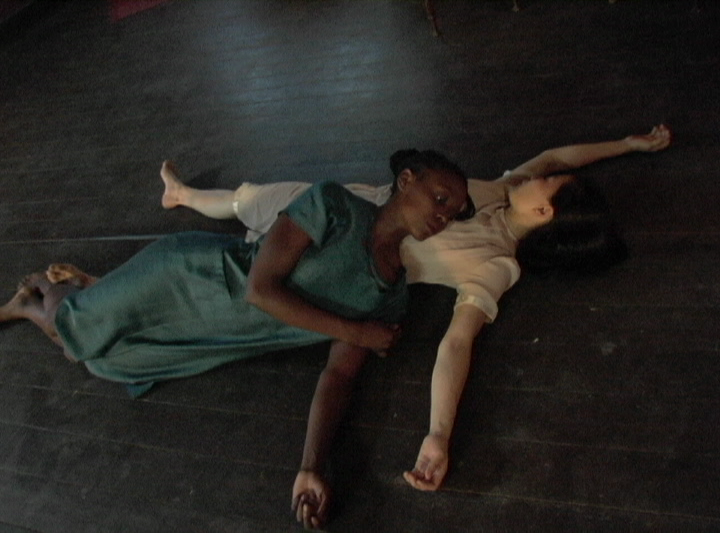
“Bittersweet” Directed by David Roussève – Still courtesy of DCW.
The second half of the evening honored renowned director and choreographer David Roussève by showing a selection of his films across the span of 20 years and concluding with an interview and Q&A. Roussève’s films tend to explore, in some capacity, the theme of the bittersweetness of life, social justice and the tough choices women specifically have to endure. His filmmaking seamlessly combines clear narrative and movement, to the point where when you watch his films, you don’t even consciously notice dancing is happening at first because it is so well integrated. His final film, Bittersweet, in particular, beautifully and emotionally examines the philosophy and ethos of pain and joy in love and life. The work features a tactile and physical duet between two dancers, with recurring motifs of touching the neck, grasping and pulling, and the image of someone hanging backward from the ceiling. Many of us in the audience were left in tears by the end, deeply moved by the powerful and relatable emotions of loss and love, as well as the lingering questions of what might have been and the difficult decisions we are sometimes forced to make.
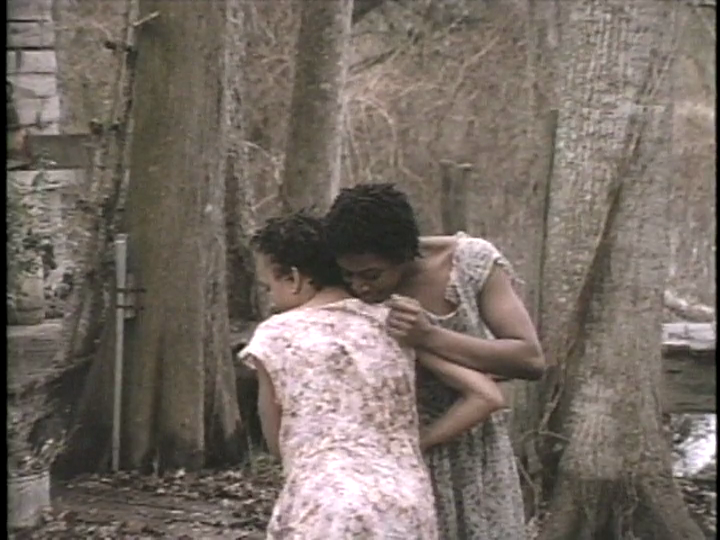
“Pull Your Heat to the Moon” Directed by David Roussève – Still courtesy of DCW.
Roussève’s other films shown this evening included Pull Your Head to the Moon, which was one of his first films about social justice during the AIDS epidemic, showing the tragic story of his grandmother living in the South during the Jim Crow era. This included a haunting and powerful movement sequence depicting sexual assault, which, while emotional to watch, was presented with care, artistry and impact in a way that carried significant weight. The other film, Two Seconds After Laughter, followed the story of Indonesian dancer Stri Susilowati and her ironic fate of moving to America and how she was never able to fully return home. This film used Western gestures as a motif that would eventually overwhelm Stri by the end of the film in a gorgeous yet emotional movement sequence.
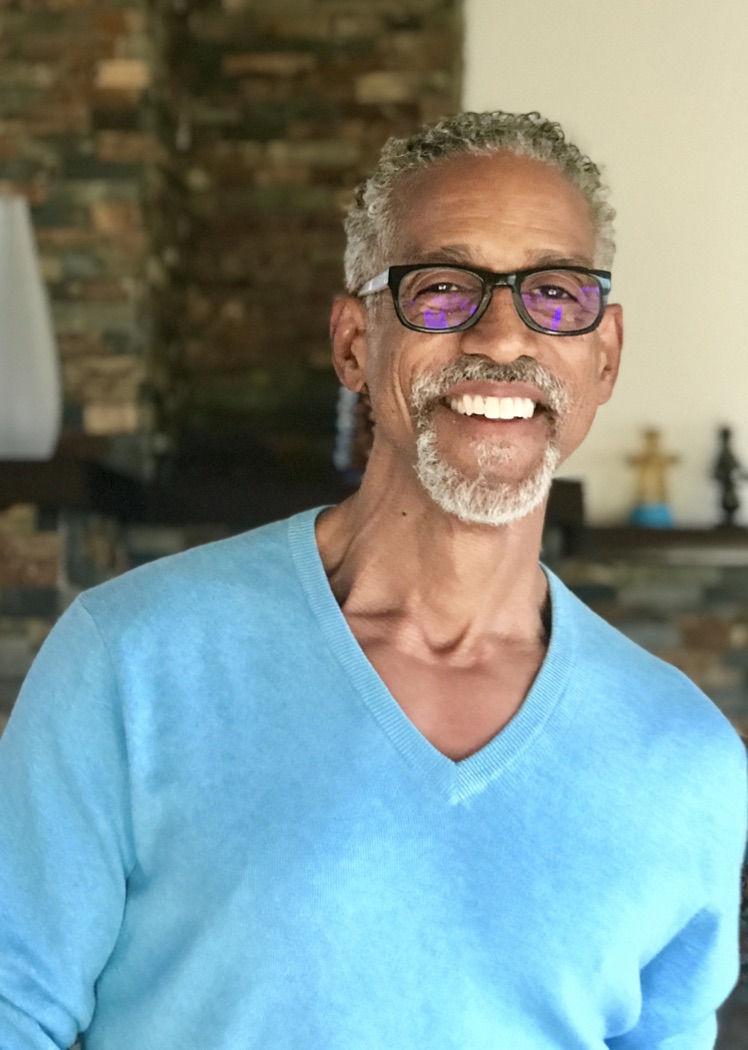
David Roussève – Photo courtesy of DCW.
The talented dancers depicted in Roussève’s work, many who were in attendance, included Aziza, Renee Redding-Jones, Sondra Loring, Genevieve Roussève, Julie Tolentino, Charmaine Warren, Sri Susilowati, Roquelle Monroe, Taisha Paggett, Julie Tolentino, and Cheng Chieh Yu.
It was an honor to be able to see these films and hear from such a prolific filmmaker and choreographer. Experiencing David Roussève’s work across multiple decades offered a rare opportunity to witness the evolution of an artist deeply committed to storytelling, social awareness and emotional truth. The evening was not only a celebration of his legacy, but also a reminder of the power of dance film as a medium of not only movement but also in exploring the complexities of the human experience. The program left the audience inspired and deeply appreciative of the thoughtful artistry and vulnerability that defined the night.
To learn more about Dance Camera West, please visit their website.
Written by Denali Huff for LA Dance Chronicle.
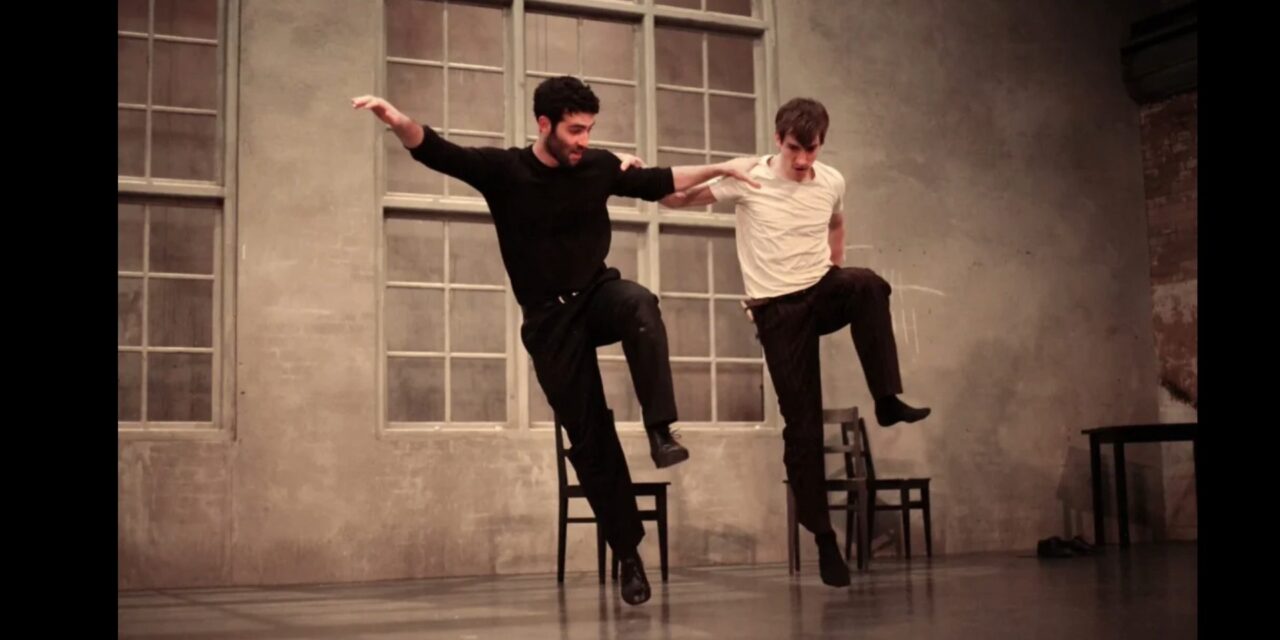
Featured image: “Waiting Places” Directed by Bobbi Jene Smith and Or Schraiber – Still courtesy of DCW.