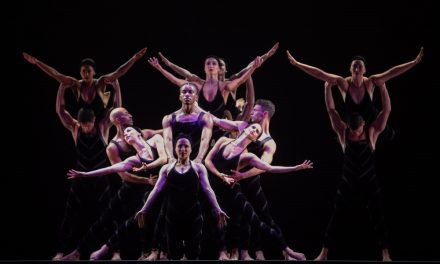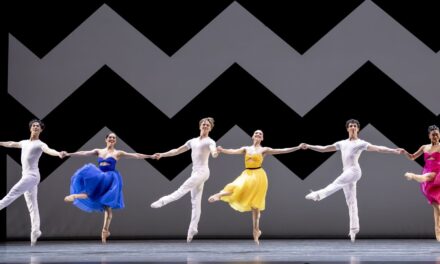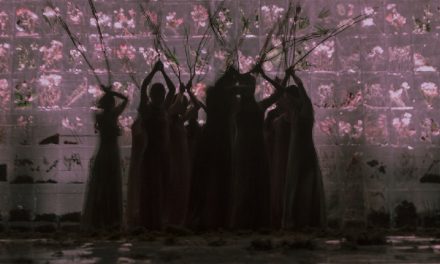
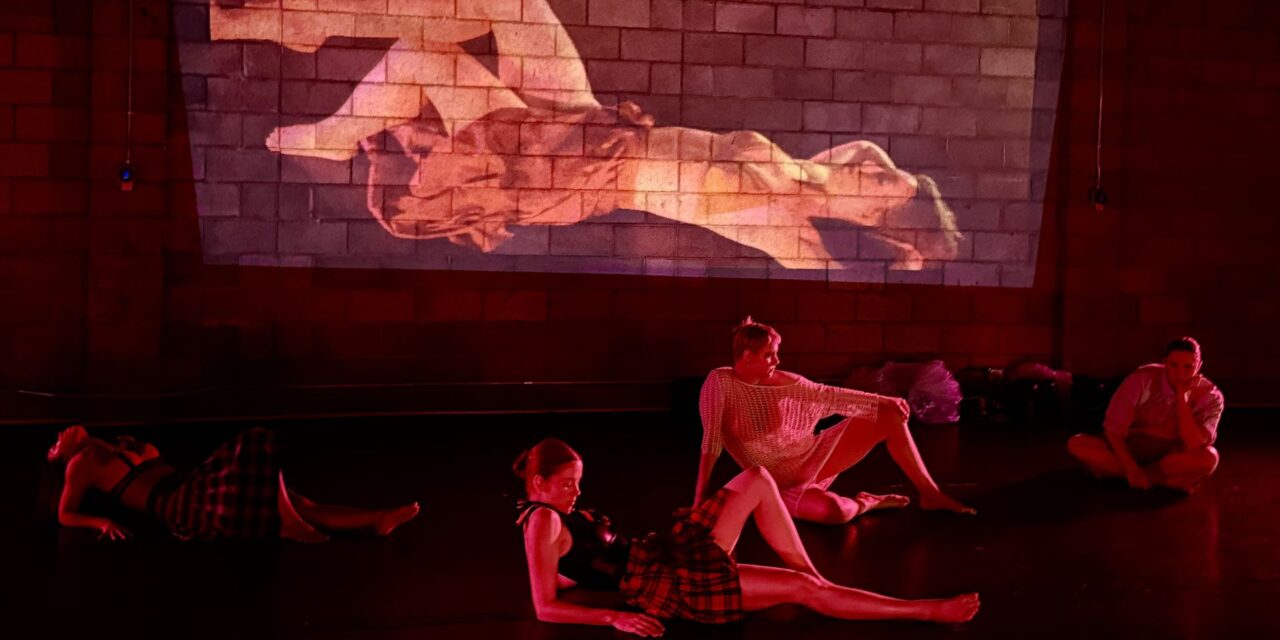
On August 30, 2026, The Pickle Factory in Los Angeles’ Frogtown neighborhood provided respite from the blazing late summer heat, as I stepped in the studio to watch MashUp Contemporary Dance Company’s Ecstatic Resistance performance, choreographed by Katherine Helen Fisher, and danced by Bethany Violett, Chloe Lopina, Jane Zogbi, Jess Wicke, Lexie O’Neal, Lydia McDonald, Madi Ostrach, Melissa Valenzuela, and Sasha Serdyukov.
Before the show, an announcement shared that the performance was landing near August 26th, National Women’s Equality Day, or the day that commemorates the 1920 ratification of the 19th Amendment of the U.S. Constitution, which granted some, but not all, women the right to vote. The show program reported that anniversaries like this provide “an opportunity for greater accountability and a chance to create a fuller picture of the experiences of the diverse women around the U.S.,” sharing that MashUp specifically sought to pay tribute to “the idea of motherhood, in all of its expressions,” this year. This sentiment was certainly felt as an audience member before the performance even began, as many children occupied the audience seats with their parents, babies lovingly passed between laps. Though I knew no one in the space, it felt warm and inviting.
MashUp – “Ecstatic Resistance” – Photo by Chloe Pang.
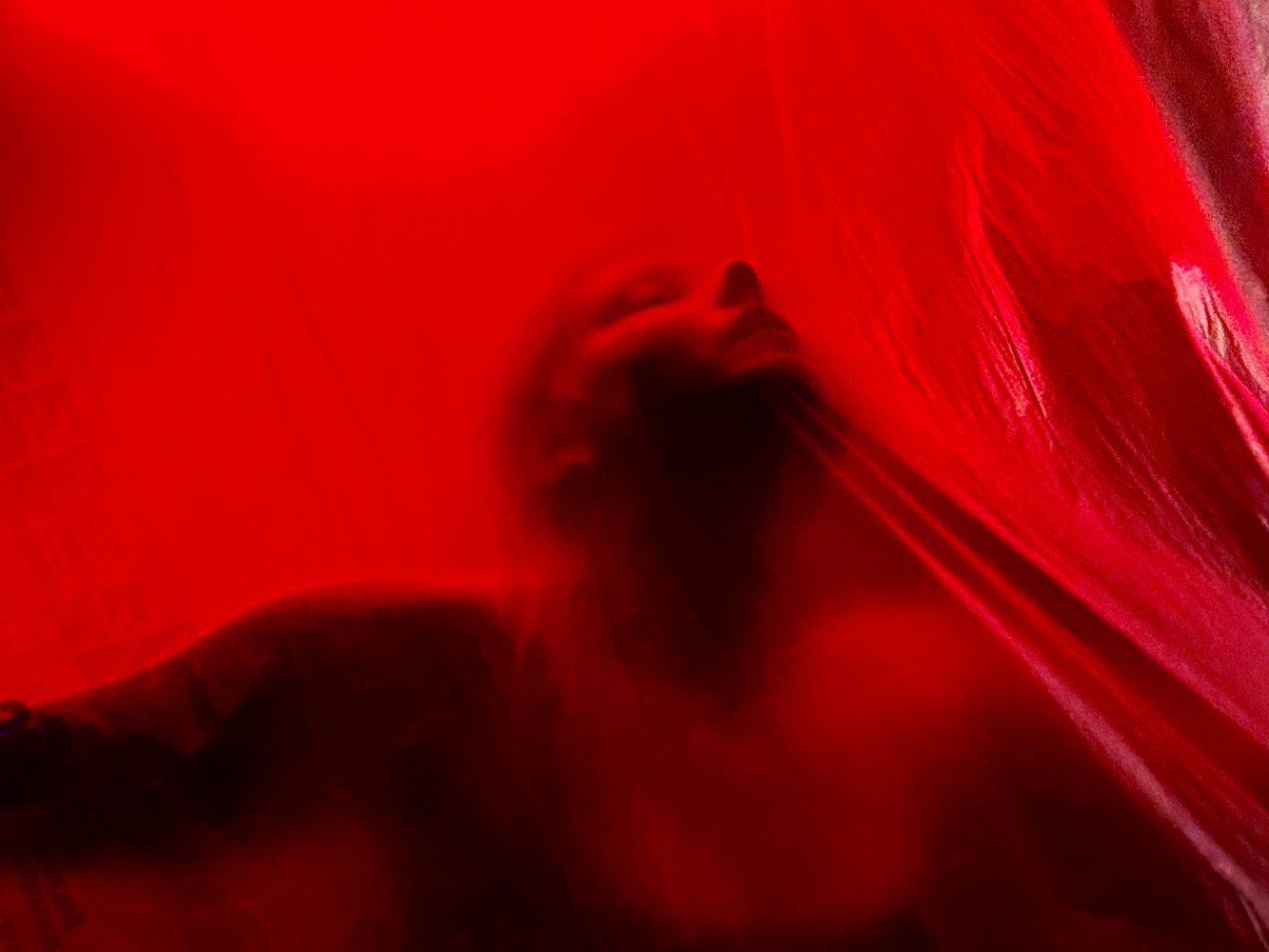
Ecstatic Resistance opened with live vocals by Eliza Bagg, who performed under the name Lisel. Singing into a microphone with a laptop by her side, Liesel’s modulated voice filled the space as lights and fans on the ground illuminated and bent sheets of plastic into a clean arc across the center of the performance space. The dancers slowly careened onto the stage, rolling and crawling under the pieces of plastic, disrupting the clean arc with their limbs. Periodically, the dancers pressed their faces into the plastic while staring at the audience and inhaling, their faces crystallized in an expression of screaming, almost appearing as though they were suffocating, an unsettling but potent image.
MashUp – “Ecstatic Resistance” – Photo by Chloe Pang.
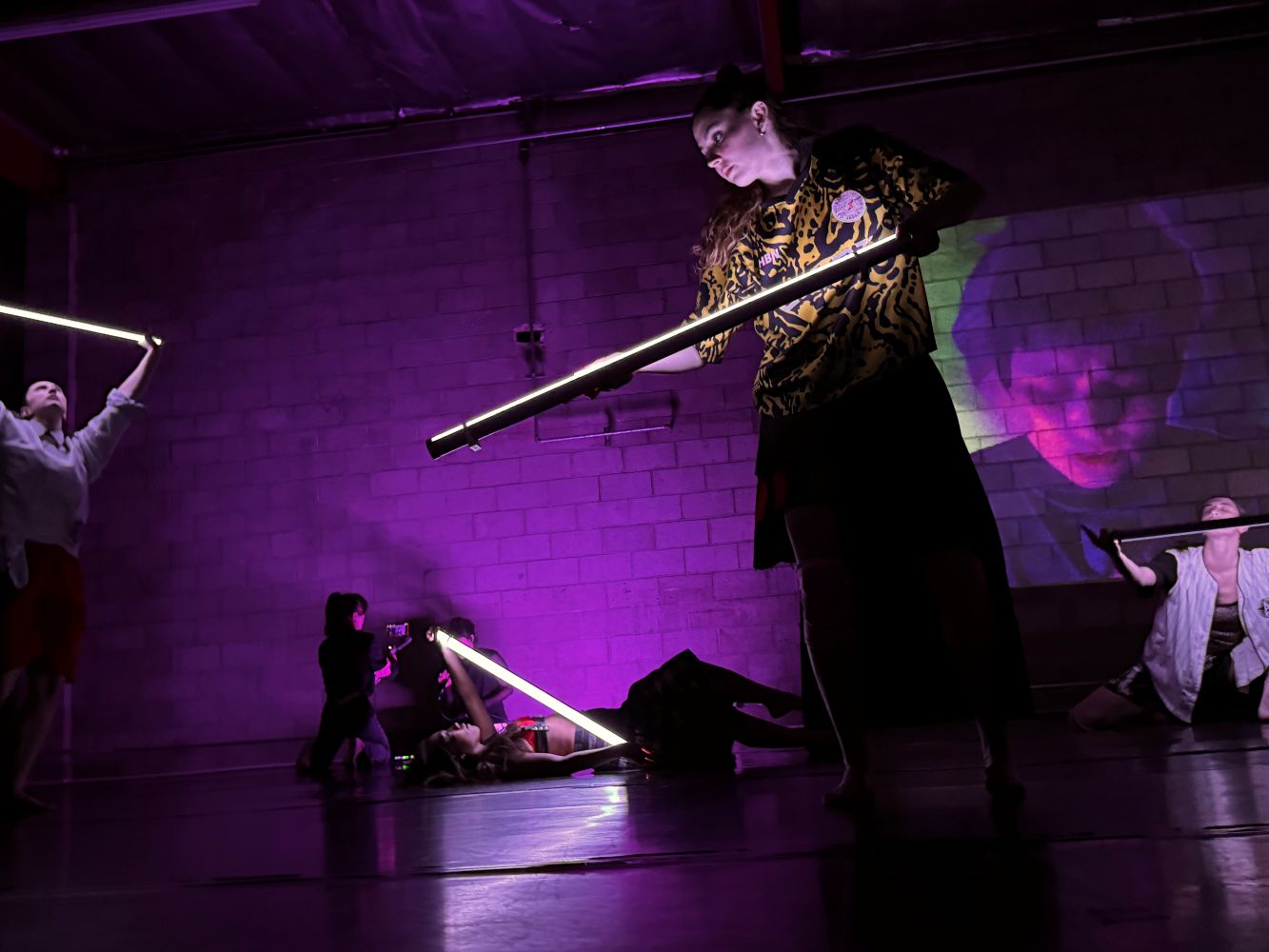
After the fans and plastic were gracefully removed from the stage and the lights were moved to the perimeter of the space, the dancers’ slow, gooey movements erupted into ecstatic expressions, moving energetically and jubilantly almost as if they were at the club. Eye contact with the audience was direct and confrontational, heads sometimes staying strong and stationary as the dancers moved rapturously.
MashUp – “Ecstatic Resistance” – Photo by Chloe Pang.
The rest of the show melted into a series of vignettes of various degrees of somberness and ecstasy. In near-identical costumes, Melissa Valenzuela and Chloe Lopina danced a haunting duet, rolling over, pushing, and hugging one another as mirror images. Throughout the show, props like stacked chairs, tape, and ropes and chains – classic symbols of confinement – were wielded with expert care. I was especially moved by Bethany Violett’s “chain wings,” as she spun in a circle waving chain links up and down to look like angel wings, evoking an image of breaking free.
MashUp – “Ecstatic Resistance” – Photo by Chloe Pang.
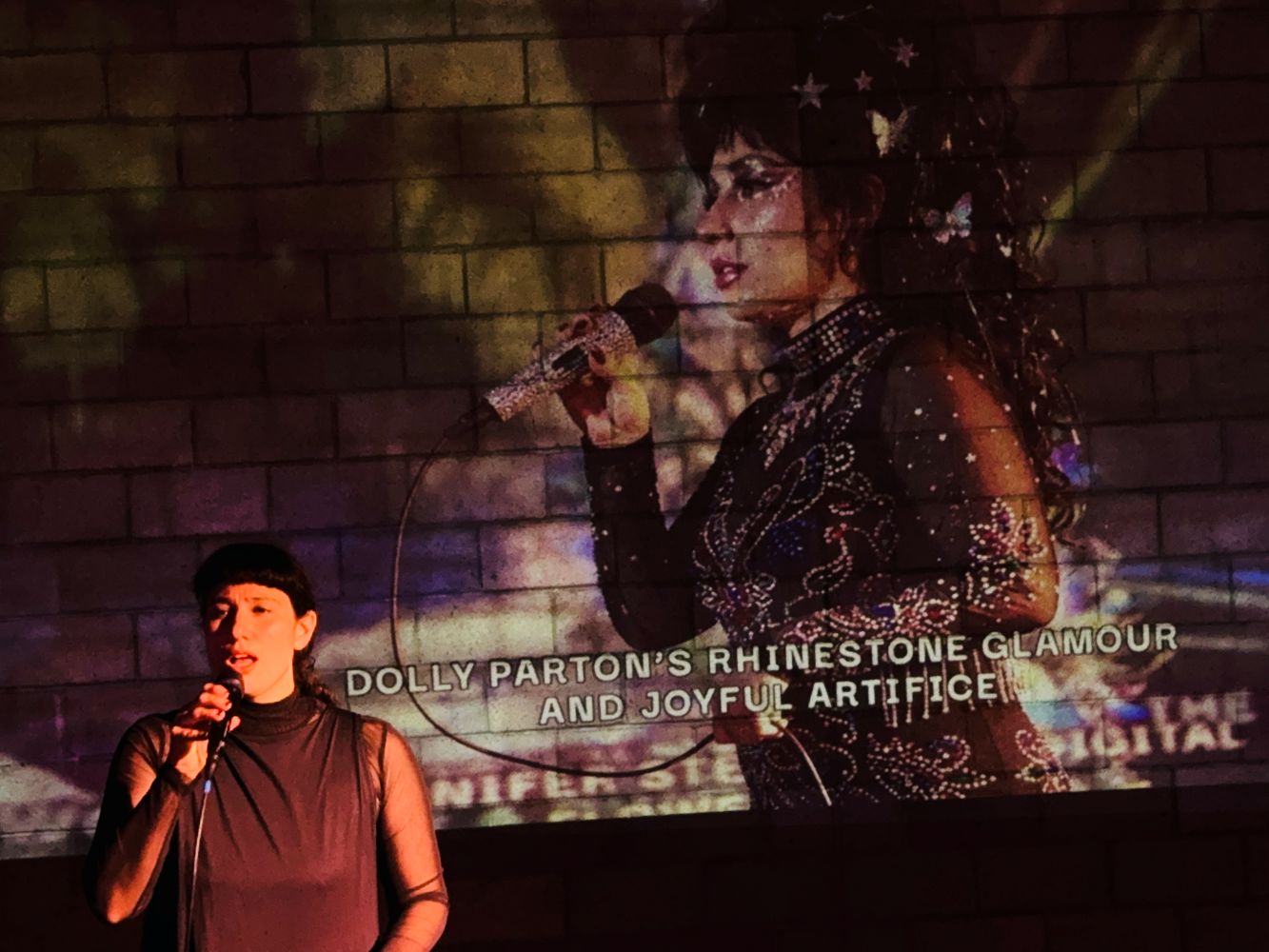
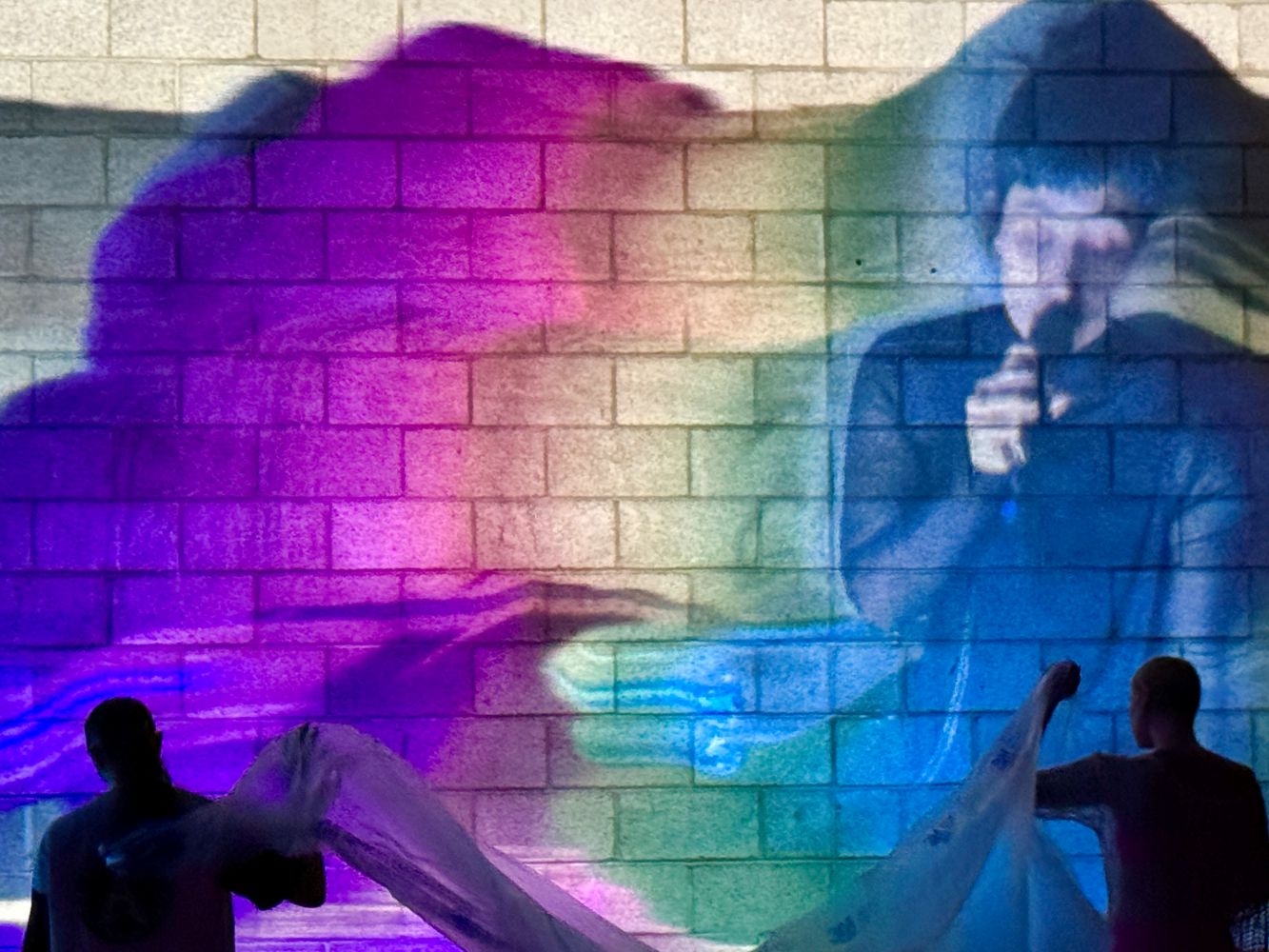
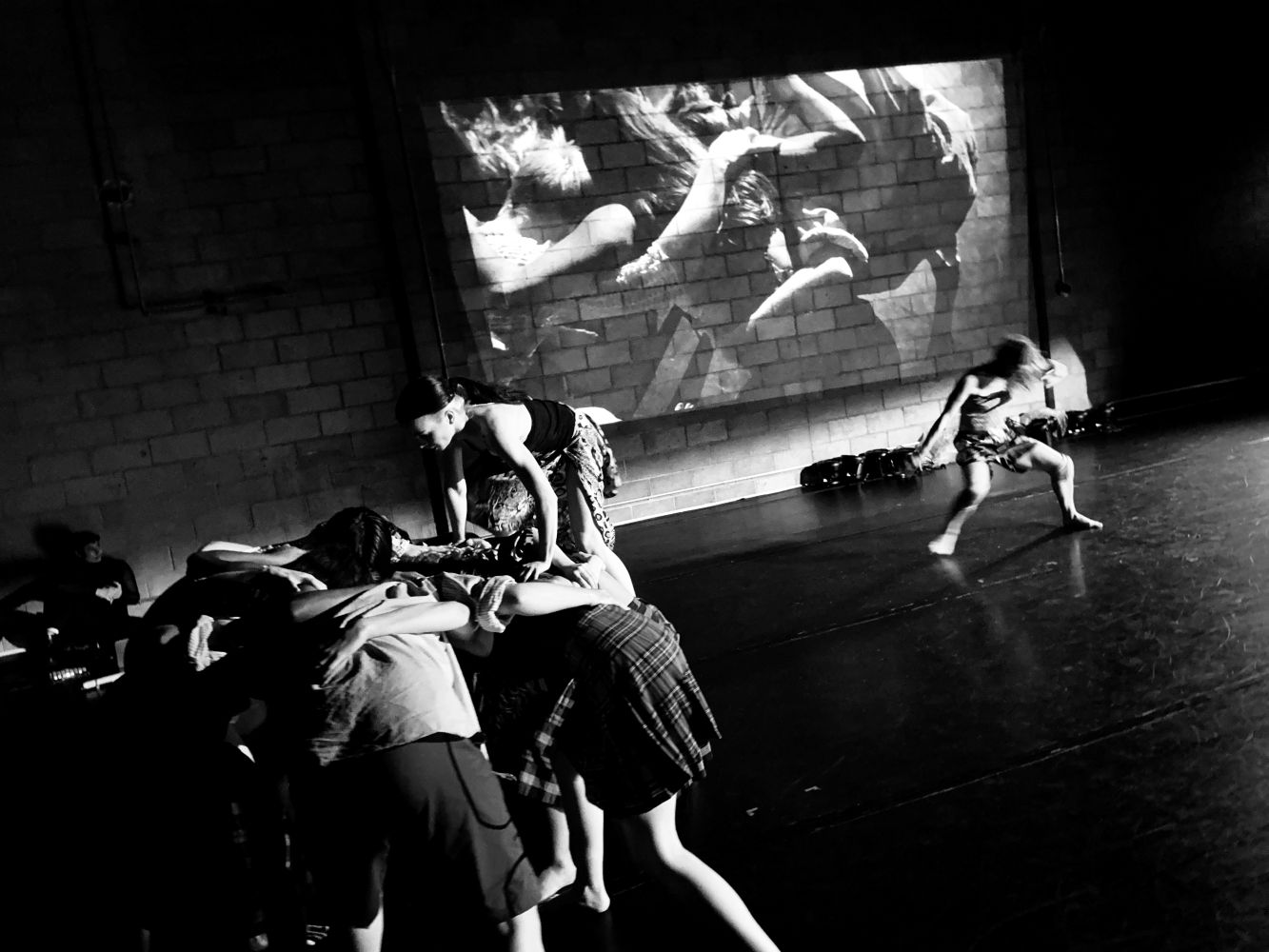
However, the most poignant element of this show was the incorporation of photographers and videographers, who captured images and videos of the performance, which were immediately projected on the wall behind the dancers. As Judith Butler asserted in her landmark 1988 essay “Performative Acts and Gender Constitution,” gender is not an innate, fixed biological essence, but an ongoing, socially constructed status that is formed through a series of repeated actions. Projecting the images of these performers onto the wall served as a meta-commentary on this perpetual “performance” of gender, as well as the keyhole through which a woman peers at herself through the lens of a man, a concept popularized by feminist writer Margaret Atwood.
MashUp – “Ecstatic Resistance” – Photo by Chloe Pang.
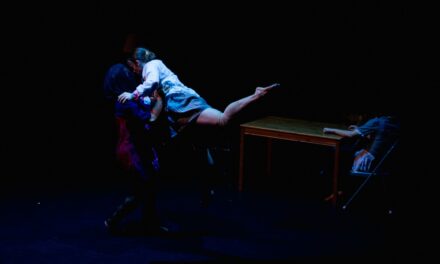
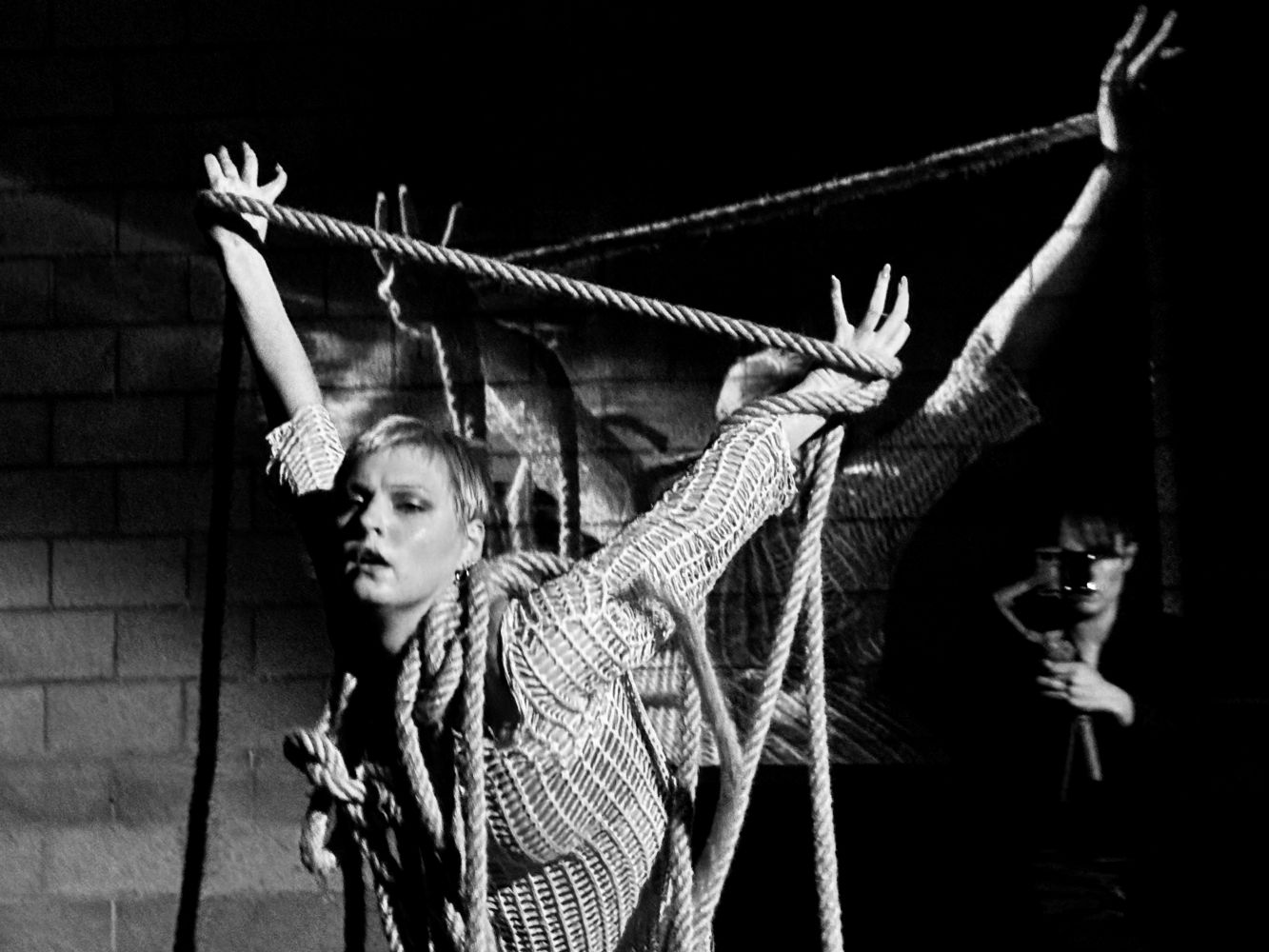
This concept of performance and self-surveillance was made more complicated by projections of AI-manipulated imagery on the walls. In one sequence, Jess Wicke danced a solo while entangled by ropes, with them wrapping around her limbs and wrists and periodically gagging her. Images of this were captured by a photographer, and narrativized versions of them, edited by AI, were cast on the wall behind Jess, unseen by her as a performer. In these reinterpreted images of the dancer, their initial context was stripped, and meaning was imbued onto them, highlighting just how out of control our image is in the new frontier of AI, with women being among those most at risk of having their image manipulated and shared without their consent. I had yet to see AI integrated into an artistic performance that genuinely moved me, but this usage was striking and singular, offering a modern critique of systemic misogyny. Shimmy Boyle was the Creator and Media Designer.
MashUp – “Ecstatic Resistance” – Photo by Chloe Pang.
In the spirit of MashUp Contemporary Dance Company’s mission of “uplifting female-identifying artists,” Ecstatic Resistance offered a poignant, timely critique of the shifting tectonic plates of systemic misogyny and surveillance, while showcasing confidence, joy, and true ecstasy on stage.
To learn more about MashUp Contemporary Dance Company, please visit their website.
For more information about The Pickle Factory, please visit their website.
Written by Madison Huizinga for LA Dance Chronicle.
Featured image: MashUp – “Ecstatic Resistance” – Photo by Chloe Pang.