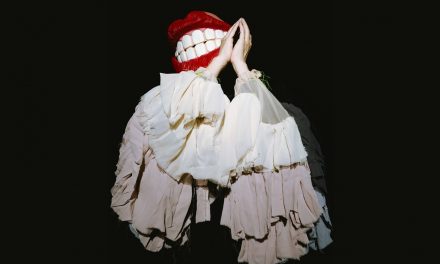
The popular New York program, NACHMO (National Choreography Month), has set down roots here as NACHMO-LA and on February 6 and 7 brings 30 choreographers to the Stomping Ground stage. The 2026 NACHMO-LA choreographers, each night’s show details, and ticket link are below.
NACHMO-LA producer Rachel Turner took time from show preparations to talk with LADC writer Ann Haskins about NACHMO-LA and wrangling more than two dozen choreographers.
Haskins: What exactly is NACHMO-LA?
Turner: NACHMO is a shortened version of National Choreography Month which is January. It’s also the name of the program that began in New York that offers choreographers a creative challenge to create something in a short time period, to create a new work during January’s 31 days for performance in February. I participated in NACHMO when I was in DC and it was a way to find community. When I moved here, the program wasn’t out here yet. Since I had participated, I thought I would start it here.
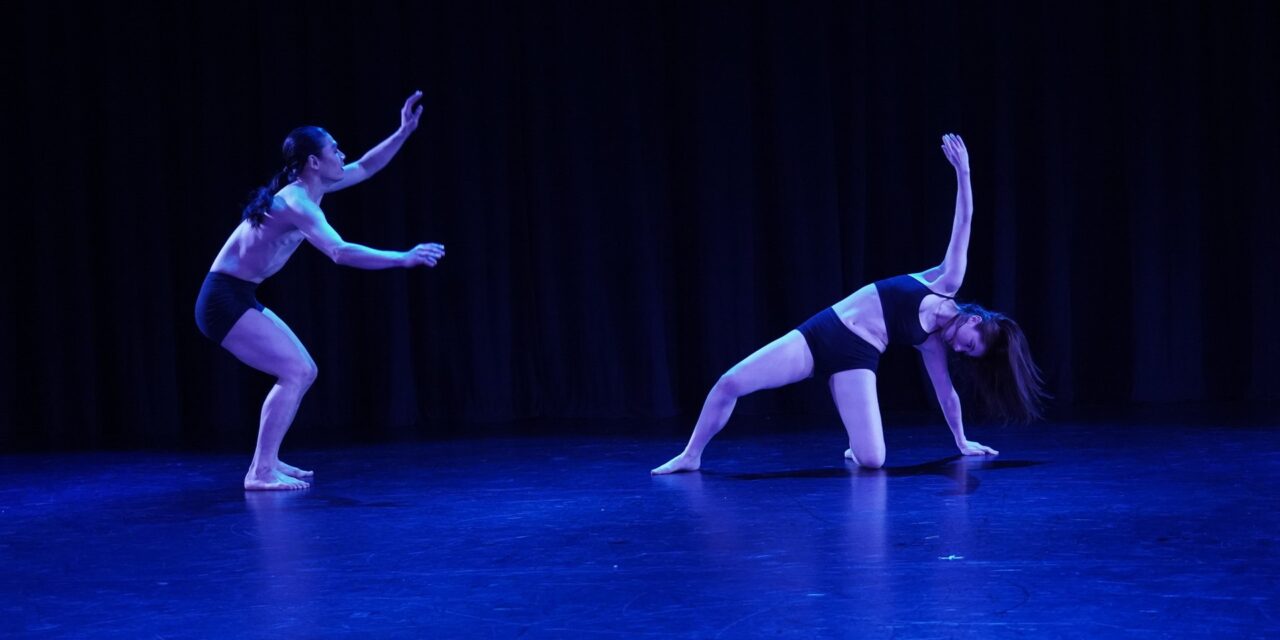
2020 – “Mirage 2” by Kelly O’Connor – Photo by Gregory M. Kasunich.
Haskins: What is involved?
Turner: NACHMO is pretty simple. It’s meant to kick off the year getting an old idea out of the back of your head and trying something new. Choreographers sign up to create something during the month of January for a showing in February. They sign up, but there isn’t a formal application, except to say “This work is new. I haven’t started it before January.” There is a $45 earnest money deposit that is refunded after the show unless they fail to show up for the rehearsal or the shows. After the performance, choreographers get photos and a video of their work, plus audience feedback.
We’ve been doing this for eight years and I’m proud of our track record of selling out every show as we have grown, and especially our recent years being at Stomping Ground. We want to encourage dance lovers to come and be part of this special program. We have our choreographers for this year, but I want to reach out to choreographers who might not be aware of how NACHMO works and the different styles of dance involved, not just contemporary and modern, but also hip hop, ballet, jazz, experimental dance.
2020 – “fixation” by José Argueta – Photo by Gregory M. Kasunich.
Haskins: In past years, NACHMO-LA had 15 or more choreographers in each show. How do you keep things from becoming a marathon into the wee hours?
Turner: There is a time limitation, no more than seven minutes. It used to be eight minutes, but we found most people doing longer works were about seven minutes, but most do shorter, three to four minute pieces. Also, choreographers are only guaranteed one night, but they may get both nights. Right now, I think about 30 choreographers have signed up. The time limit and guarantee of a spot in one night has been a way of keeping it from becoming a marathon. Also, for those getting a second show, we do a lottery, and only like five or six people get to perform both nights. That is another way to ensure that the shows don’t go on forever.
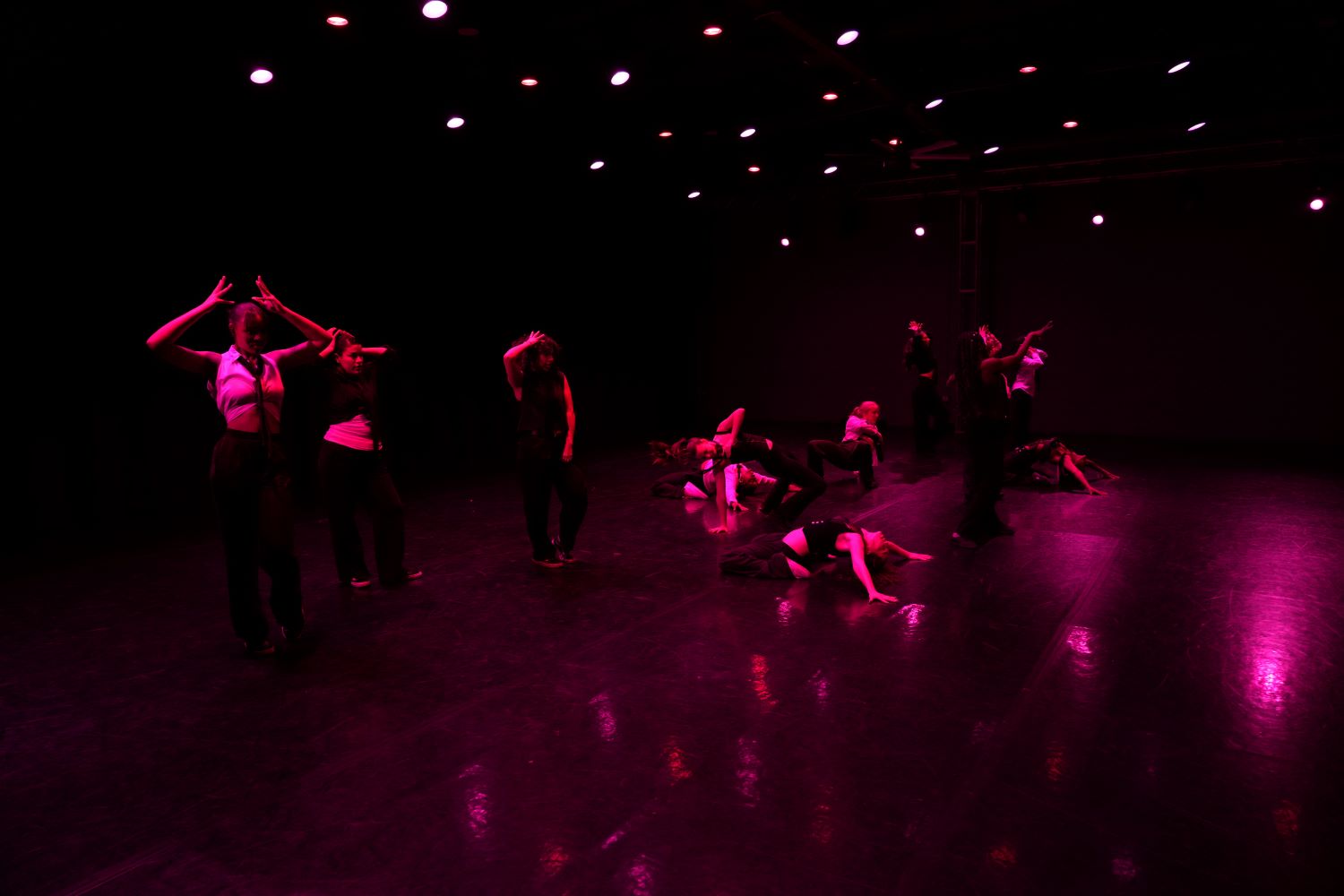
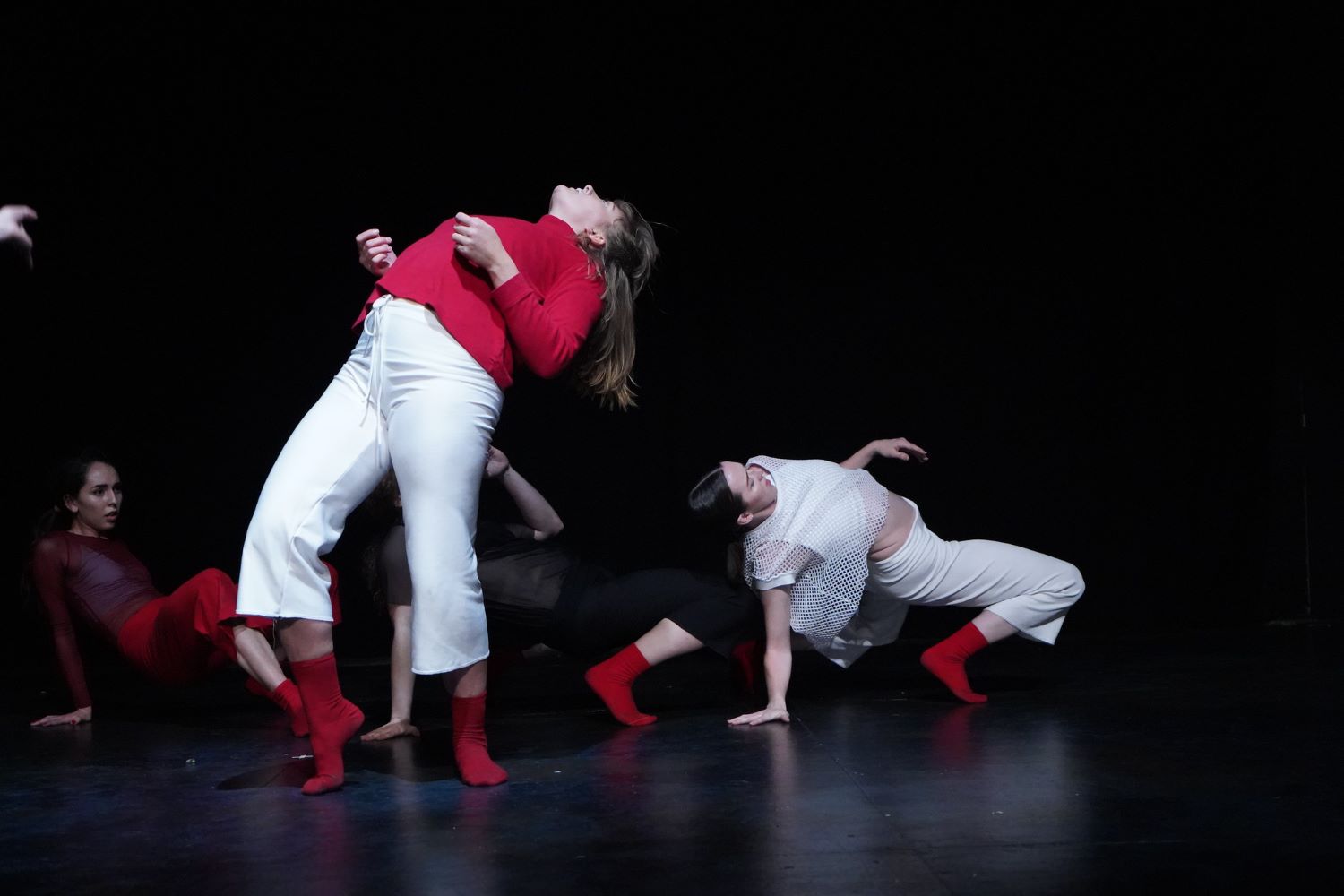
2023 -“Nutrition” by Saryh Deadmon – Photo by Gregory M. Kasunich.
Haskins: Why a lottery?
Turner: Opting for the lottery system, rather than trying to choose the best works, is something that comes from NACHMO in New York. Actually in New York City, there’s so much dance, it’s a lottery to even get to show your work. And not everyone does. So the randomness of a lottery, making sure that no one is adjudicating the best works to show both nights, is another hallmark of NACHMO.
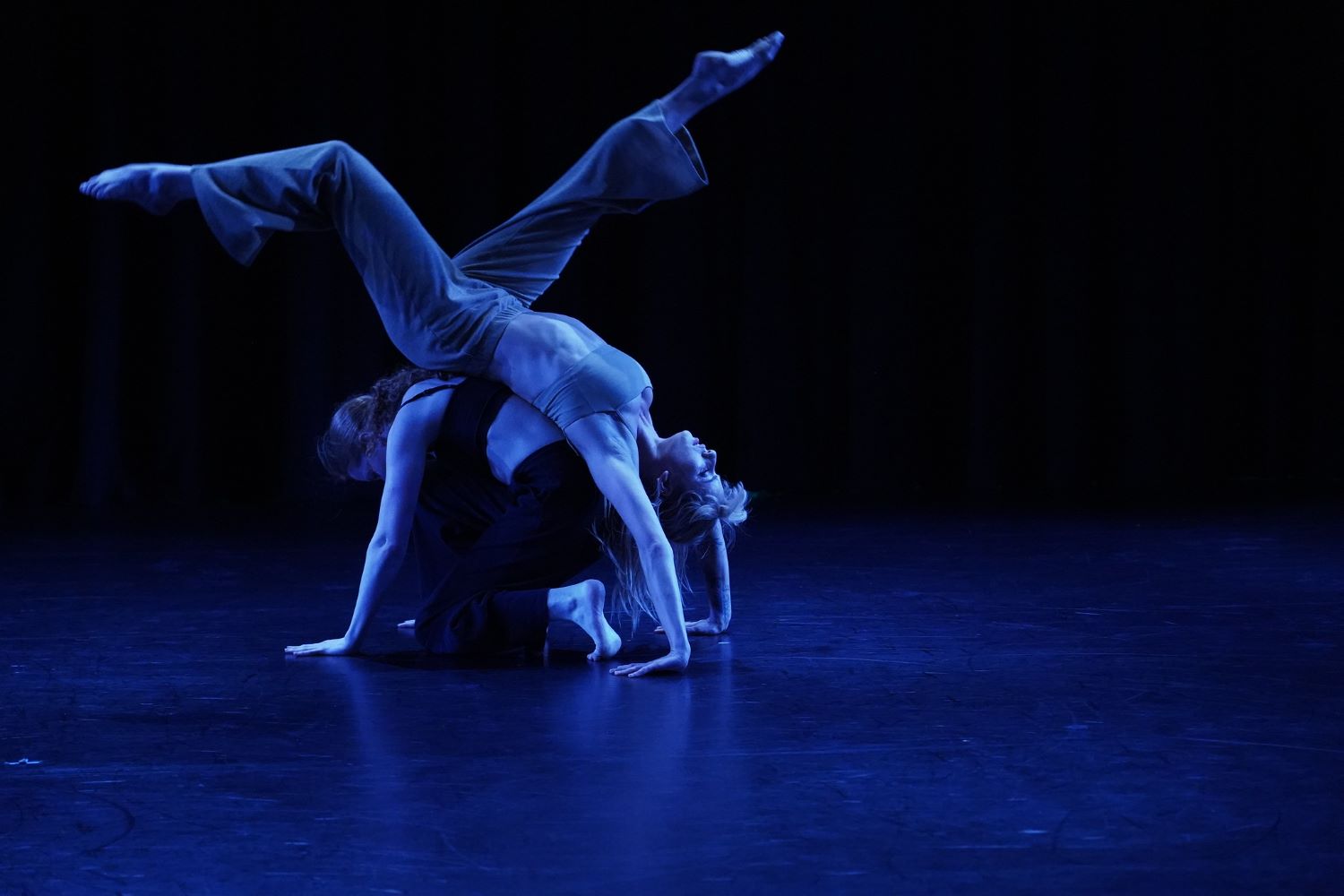
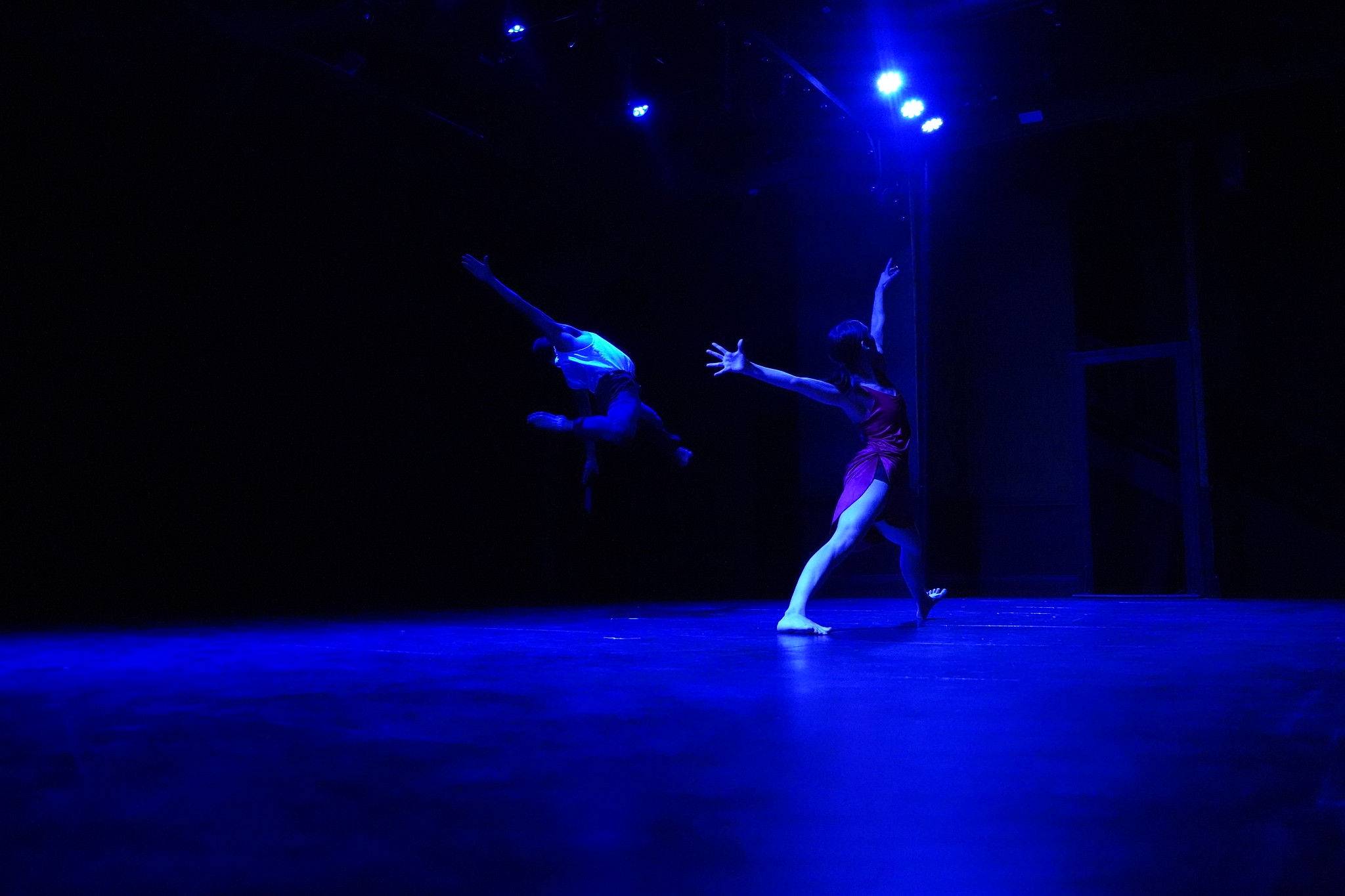
2023 – “still here” by Stephanie Mizrahi – Photo by Gregory M. Kasunich.
Haskins: You mentioned that the choreographers get audience feedback.
Turner: The audience and its participation are another thing that makes it special. We give the audience several feedback cards. In between each piece, we raise the lights in the house part way so that audience members can write any thoughts and comments. I always encourage the audience to provide feedback, especially if they are not a dancer. We’ve had people write things like, “Oh, I’m a costume designer and this is something I thought specifically about the costume design.” With the entertainment and music industries here, we get an audience that is not just looking at the dancers and gives feedback in other areas of expertise like costumes or music or staging techniques. I think the ability and opportunity to give feedback shouldn’t be a gate kept to those claiming expertise.
I feel like people shy away from their opinions with dance. I’ve gone to shows with people who aren’t dancers, and they’re like, ‘Oh, well, I don’t know dance.’ People are very willing to have opinions on movies and music albums but feel like dance is on this pedestal and feel they can’t talk about it without expertise. They bought a ticket to see the dance and choreography, so they get to voice an opinion about what they’re seeing. Then we give the cards to choreographers so they are getting very raw feedback.
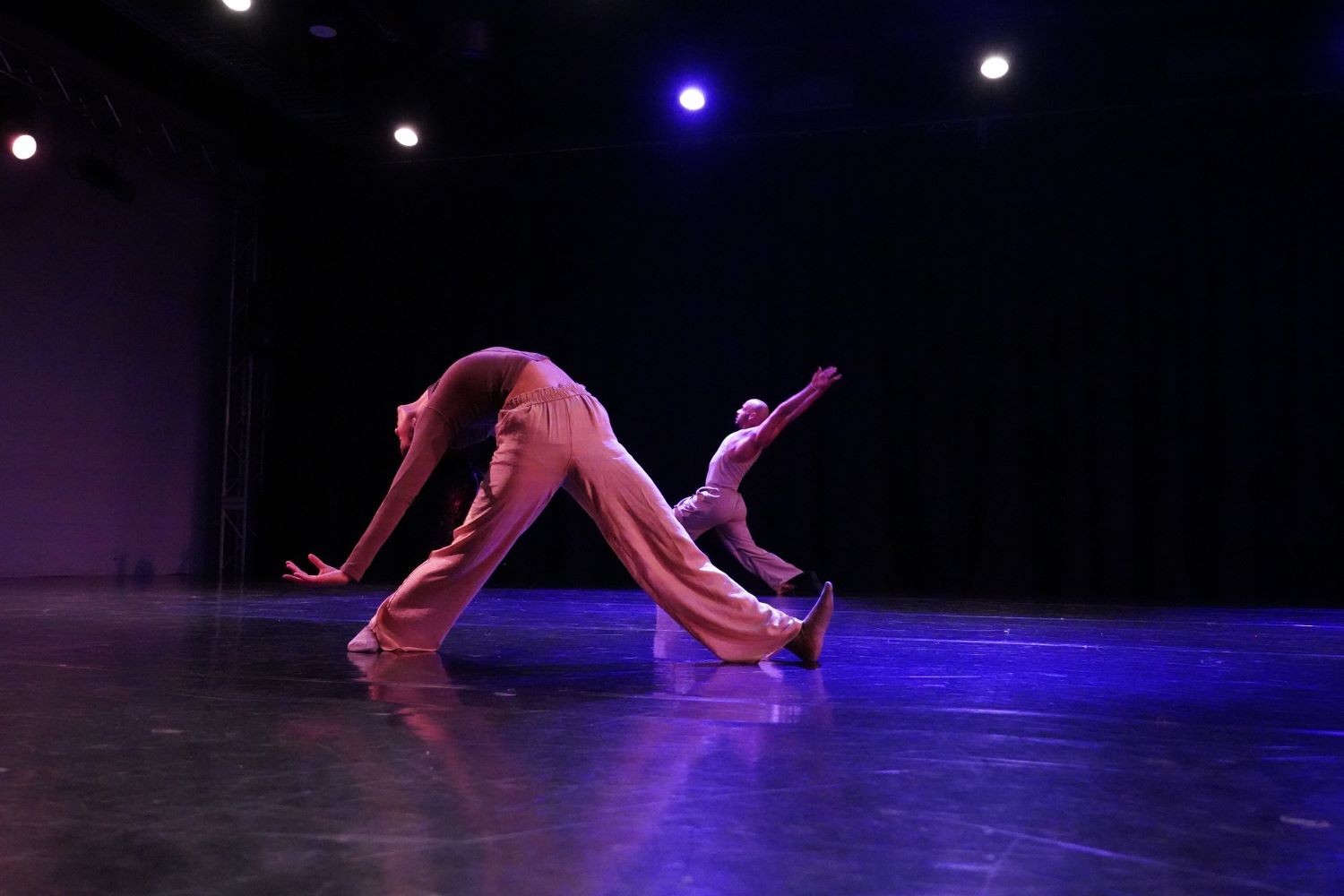
2024 – “Convergence” by Rachel Turner – Photo by Gregory M. Kasunich.
Haskins: You participated in NACHMO as a choreographer in Washington DC before moving to LA. When you came, how did you get drawn into starting NACHMO here?
Turner: I had only lived here for like three months, and I just kind of started it. I was pleased to find the interest was here to have this low stakes way to create without an adjudication process. I found Studio A which is a great, affordable space. I knew a few people. I posted the event on Facebook and other social media. That first year we had, maybe 12 to 15, choreographers, and maybe a total of 30 dancers. As we grew, we moved to a larger theater, and during the pandemic the 2020 show was in a park. This is our fourth year at the Stomping Ground, and we have grown to about 30 choreographers and around 100 dancers. We hold dancer auditions so that people who don’t have dancers lined up to dance for them can meet people, and dancers can find a chance to take part in a short term project.
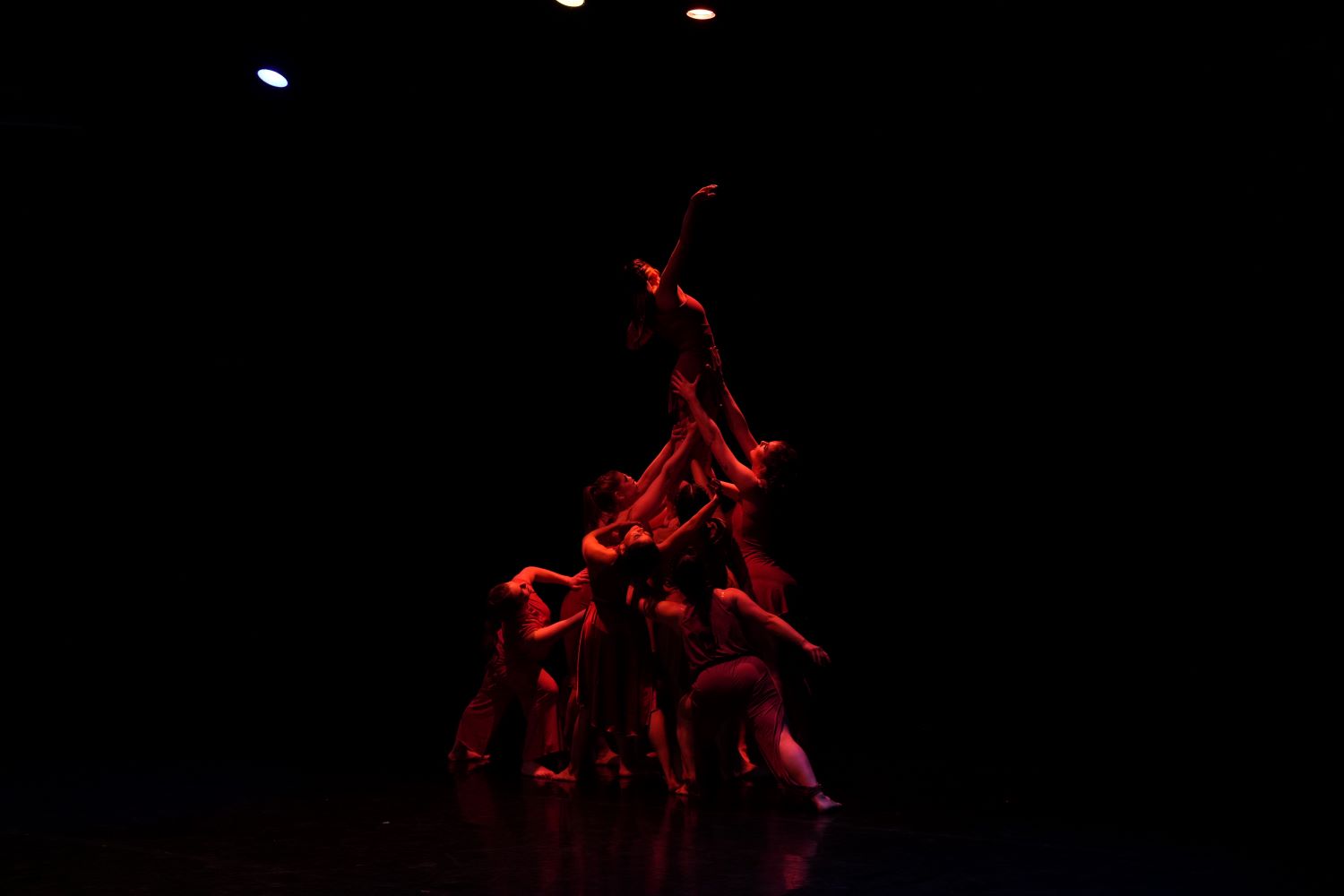
2025 – “Girl” by Taylor-Anne Murray – Photo by Gregory M. Kasunich.
Haskins: Does anyone get paid?
Turner: No. It is basically self-funded. We don’t receive any money from the national NACHMO. As I mentioned, the choreographers pay a $45 refundable deposit, sort of like earnest money, that they’re going to actually do this. That helps us with making the deposit for the theater and the other upfront costs. In the end, the choreographers get their deposit back, unless they drop out or miss deadlines or theater rehearsals.
Haskins: Have you had choreographers return?
Turner: Yes. We have a number who come back every year. I feel like there’s some people for whom it is their once-a-year choreography thing, that they are maybe more active in dancing or in a totally different career. And then there are people who have used this to start work that they later expanded and finished elsewhere. We have people who’ve done it a few times and some who’ve done it almost every year.
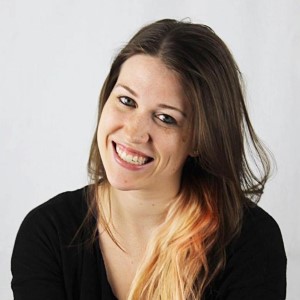
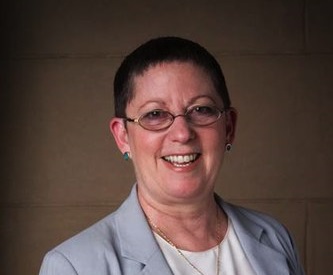
Rachel Turner – Photo courtesy of the artist.
Haskins: Anything else you would like folks to know?
Turner: I think for the audience having the opportunity to give feedback, and also, the choreographers getting that type of feedback, are things that make NACHMO special.
NACHMO-LA Performance lineup
Fri., Feb. 6: Alondra Perez, Celine Voskanian, Jill Gregory & Zara Fuerstein, Katarina Smouse, Kristine Dimter, Lindy, Marissa Mahoney, Matthew Kane, Nadine Tran, Nicole Davis, Rachel Turner, Rebecca Aguilar, Sami Flores, Santiago Rivera, Sarah Gibson, and Yari Rivera
Sat., Feb. 7: Alice Lousen, Alondra Perez, Amanda Lizarraga, Ayden Grace, Gianna Joudi, Jacob Bowers, Jazz Hayes, Jessica Koe, Jill/Zara, John-Pierre Cardenas, Marissa Mahoney, Nadine Tran, Nicole Craft, Rachel Turner, Rebecca Aguilar, Sami Flores, and Silas Rowland.
NACHMO-LA at The Stomping Ground, 5453 Alhambra Ave., El Sereno; Fri.-Sat., Feb. 6-7, 7:30 pm, $19.36 (includes fees) NACHMO-LA
Editor’s Note: In full disclosure, among her other endeavors, Rachel Turner is a contributor to LA Dance Chronicle.
Written by Ann Haskins for LA Dance Chronicle.
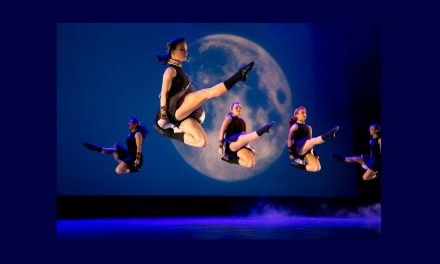
Featured image: 2023 – Our Wonderful Storm by Sean Greene – Photo by Gregory M. Kasunich.